
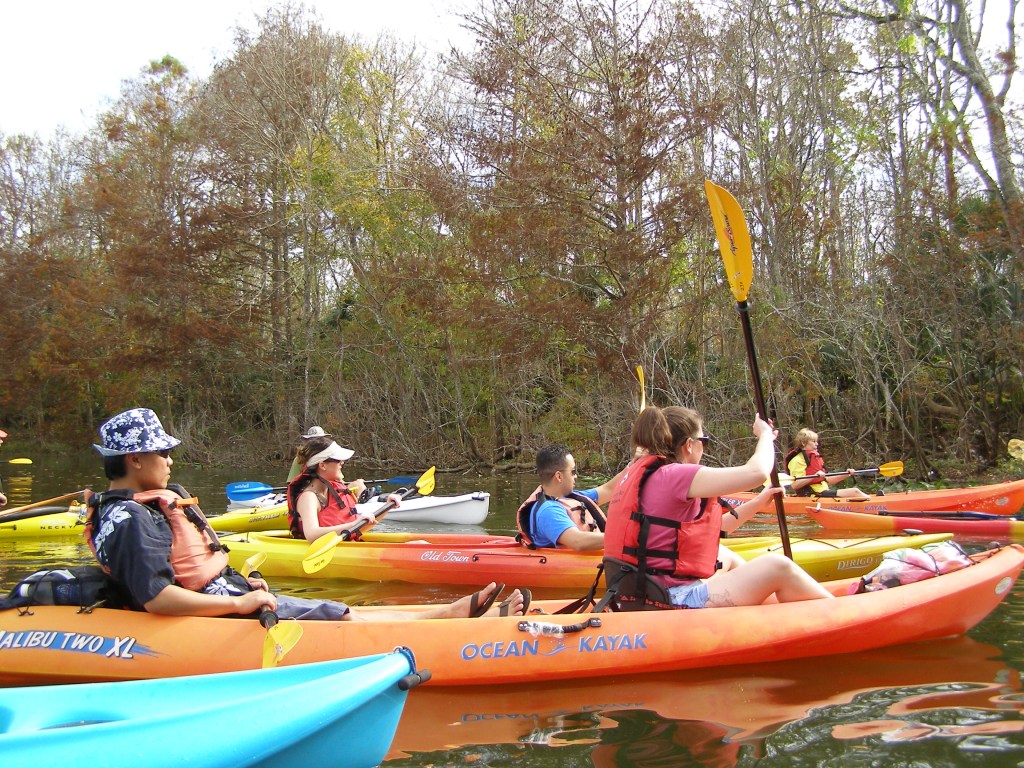
A paddle with friends, a good lunch, and a river with more history than its quiet surface suggests.
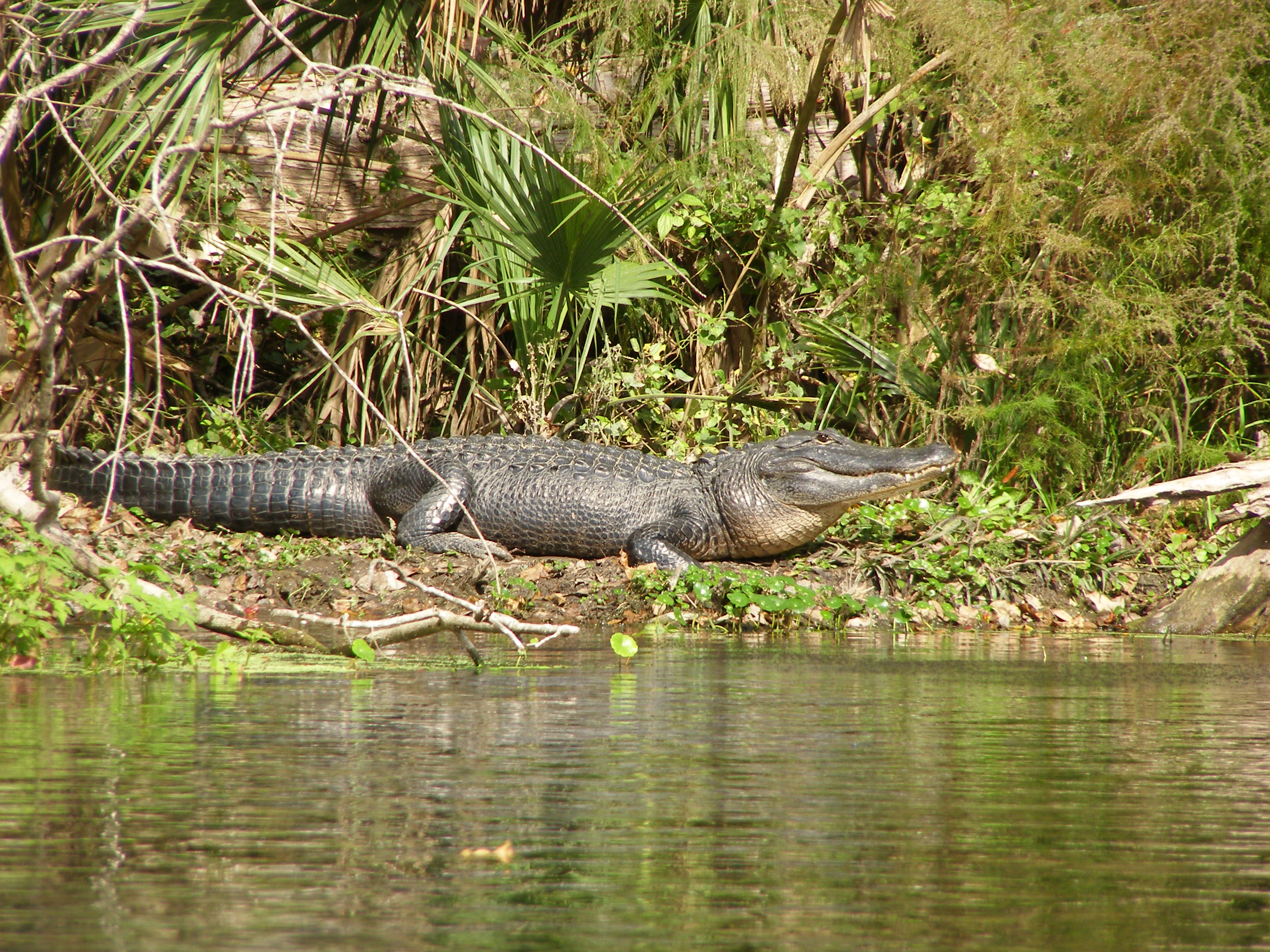
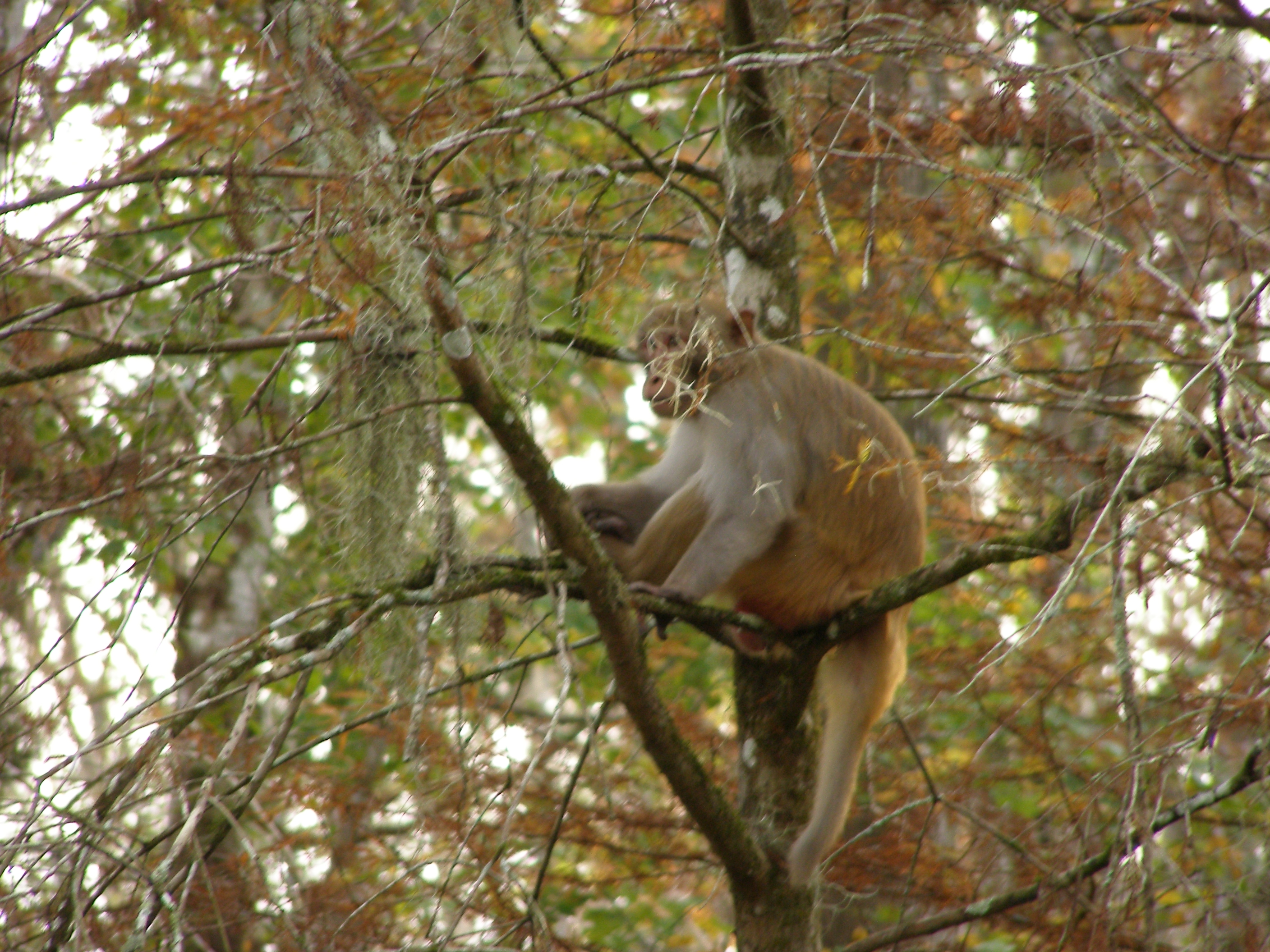
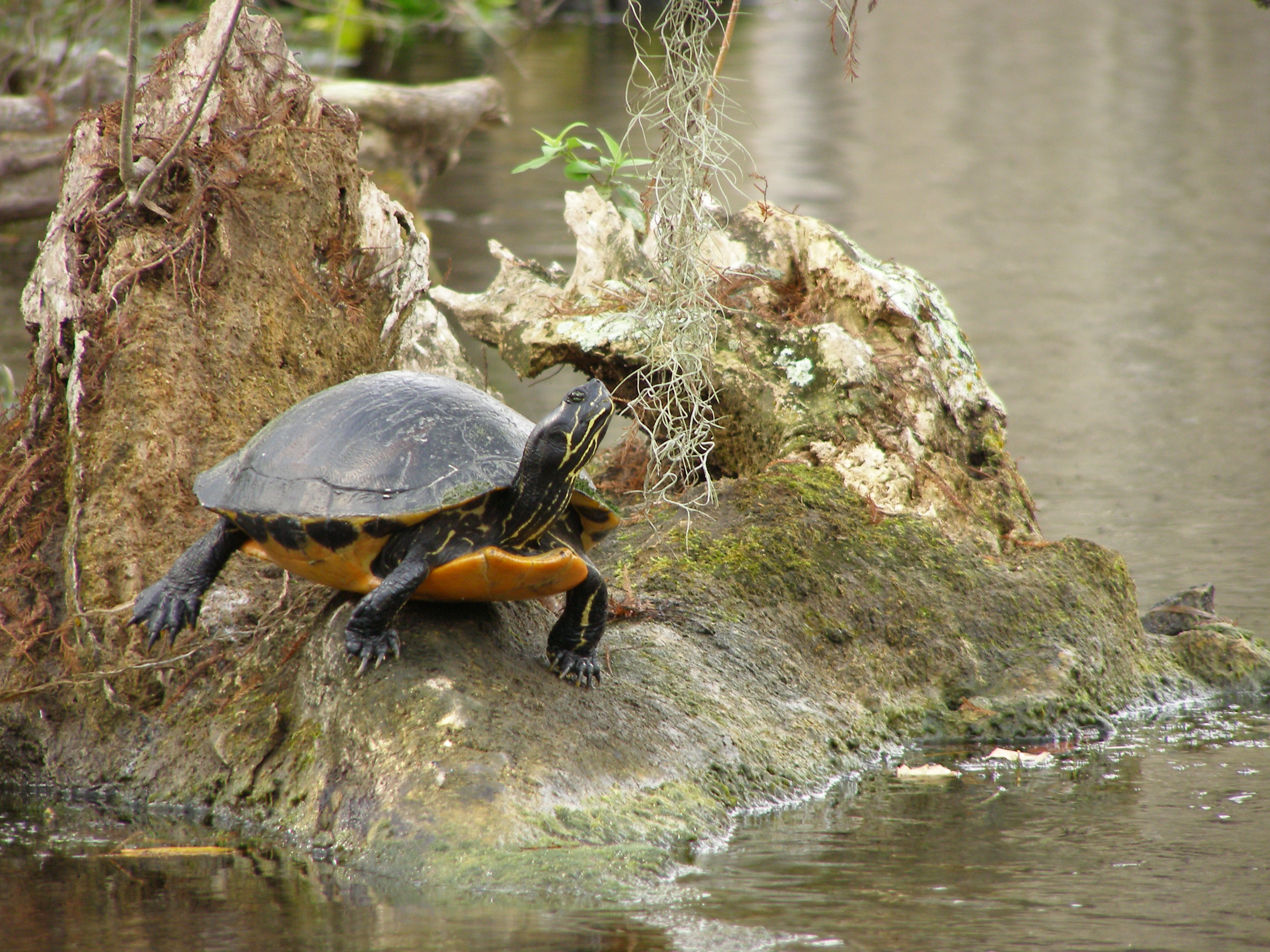
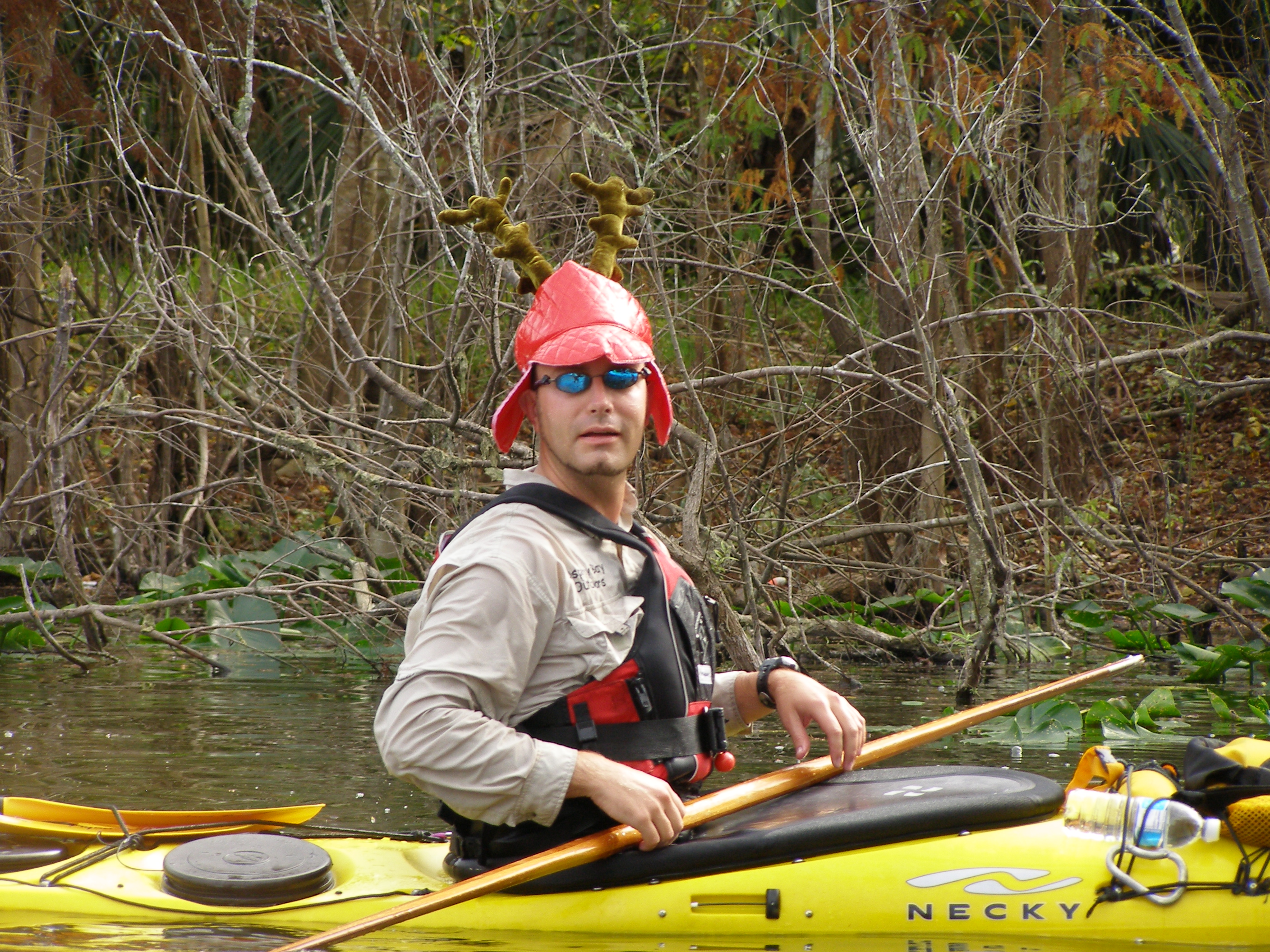
My original Silver River account recorded several things I wanted to remember. We saw rhesus monkeys, cormorants, ibises, fish, and a small alligator. Sean provided a great lunch. It was a pleasure to paddle with our kayaking friends.
There were also driving directions and a parking fee. Those details belonged to planning the outing. The company and the river are what make the account worth returning to.
The Silver River is fed by Silver Springs, east of Ocala. I wrote about the clear blue water and the vegetation along its banks. I also called the place unspoiled and suggested that a visitor could step into a Florida thousands of years old.
That description was too easy. A place can feel removed from ordinary life without being removed from human history.
A river, not a scene without people
There is a temptation in outdoor writing to make a landscape more appealing by imagining it before anyone arrived. We call it untouched, describe a journey backward in time, and put ourselves in the role of the person discovering it.
That leaves too much out. The Silver River has been a route, a destination, a place of work, and a place people have deliberately presented to visitors. Those histories are part of what we encounter, even when we arrive in a quiet kayak.
Florida State Parks’ history describes early tourism, the river’s role in transportation and distribution, and the development of glass bottom boat excursions in the nineteenth century. Looking into the water became an experience people could sell, share, and remember.
I find that worth considering from a paddler’s seat. My reason for being there is personal, but it belongs to a longer story of people wanting to see this particular water.
The monkeys have a history too
The monkeys in my original wildlife list offer a useful correction to the idea of an untouched river. They were striking animals to see. They were not evidence that we had reached a landscape without human influence.
University of Florida IFAS researchers explain that rhesus macaques were deliberately introduced to attract visitors in the 1930s. Their account also distinguishes that introduction from the familiar story that the animals were released for a Tarzan film.
What we notice on a paddle and what we understand about it are different stages of knowing a place. A sighting can begin a question. It does not have to finish the explanation.
Observe wildlife from a distance and do not feed or approach it. The pleasure of an encounter does not require making ourselves part of the animal’s activity.
Florida on the screen, Florida beneath the boat
The Florida Department of State’s Silver Springs history describes the promotional photography, entertainment, and filming that helped make the springs widely known. The water was both a real place and part of the Florida people imagined before visiting.
That interests me as someone who enjoys outdoor films and studies the relationship between people and waterways. A river can acquire a public identity through pictures. Then we arrive with those pictures somewhere in our thinking and begin the separate work of looking for ourselves.
I would rather let the history add to a paddle than require the paddle to confirm a postcard.
Sean brought lunch
Among the animals, scenery, and directions in the old article was one plain sentence about Sean providing a great lunch.
I do not want to lose that sentence while improving the rest.
Food is as important as the love of family gathered around the campfire. The same care belongs on a day paddle with friends. Someone has thought about what the group will eat and taken the trouble to bring it. That work helps turn an outing into time spent well together.
I did not record the menu in this account, so I will not invent one now. The fact that I remembered the lunch is enough. Not every meaningful part of a journey comes with a photograph or a measured distance.
Looking again
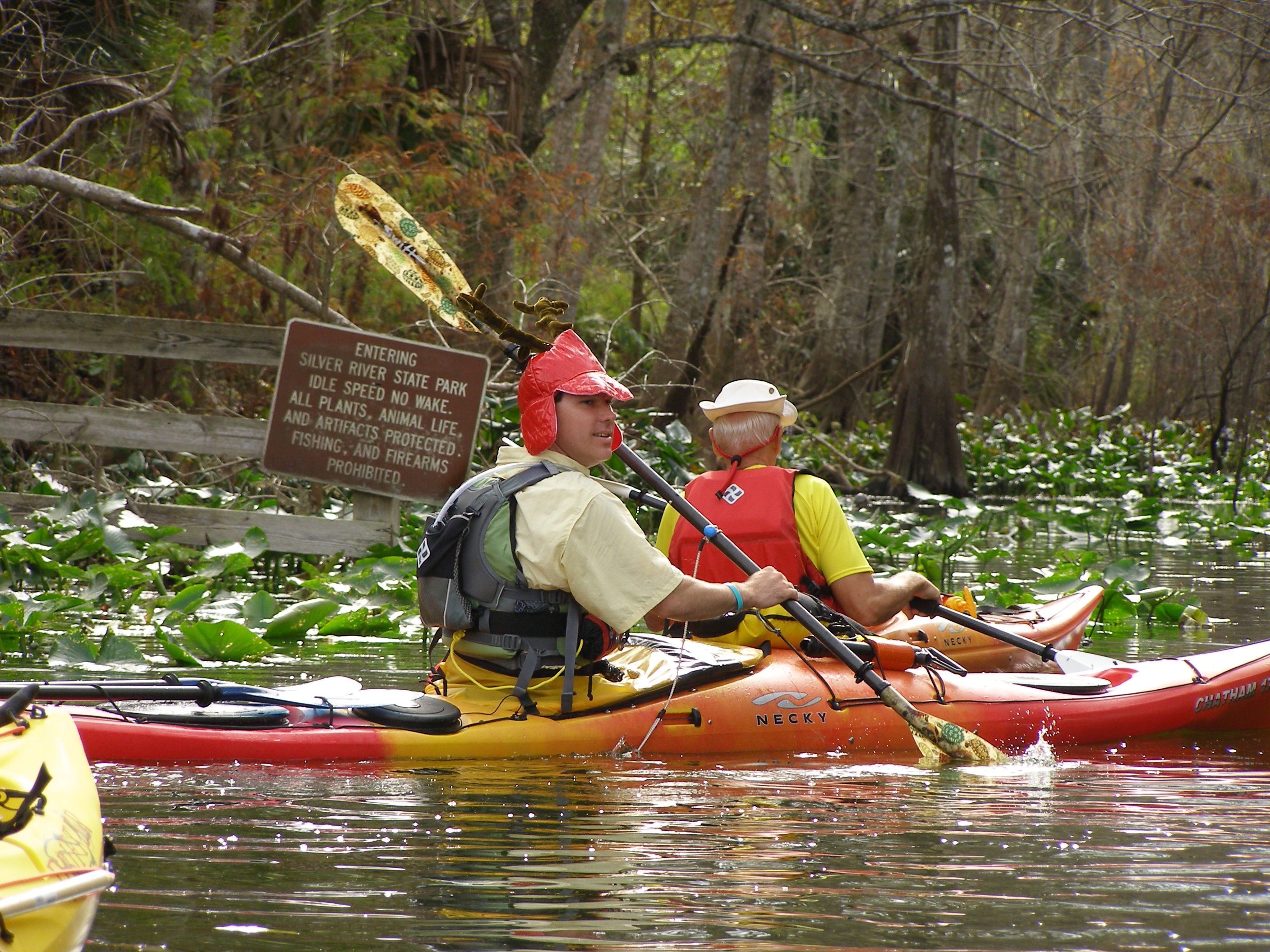
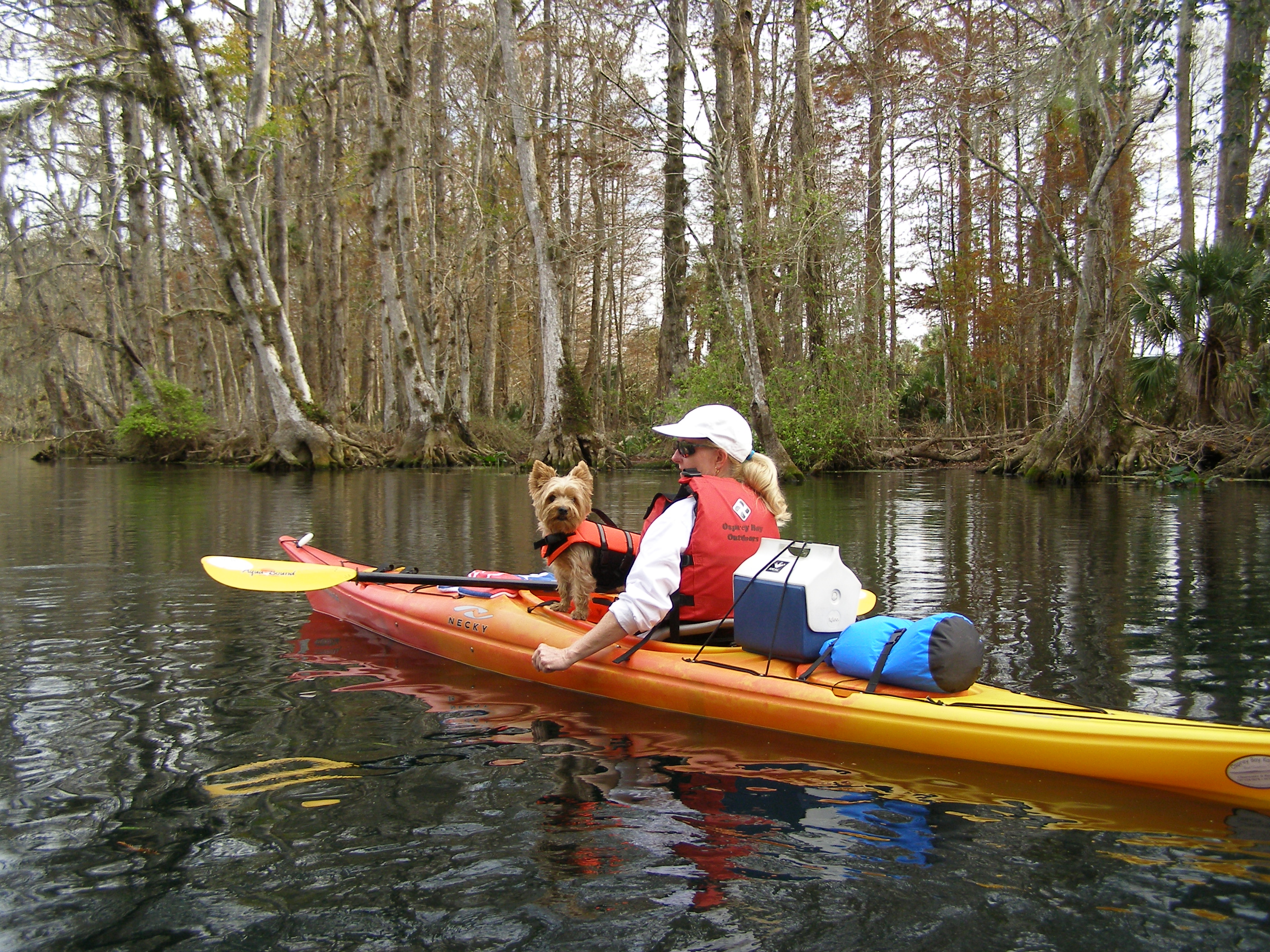
The photographs remain a record of our outing. They do not establish today’s river conditions or promise the same wildlife encounters. What they can do is invite another look at a place whose natural life and human history cannot be neatly separated.
That is the FloridaOATS purpose here: to keep the pleasure of the paddle while asking more of the story we tell about the river.
There was clear water. There were friends. Sean brought lunch. The river gave us more to consider than the short account first allowed.
The original outing and a future visit
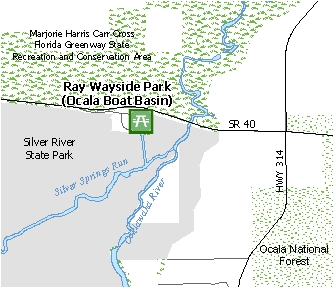
For the earlier paddling account, read Silver River, Florida at Liquid Rhythm Kayaking. Its directions and fees describe an older visit. Confirm current access, fees, rules, and conditions through Silver Springs State Park and the manager of your chosen launch.
Video retained from the original post as archive material. It is not a current route or safety guide, and its content has not been independently reviewed for this revision.
Historical sources
Sources consulted October 21, 2026: Florida State Parks, Silver Springs history; UF IFAS, History and Status of Introduced Rhesus Macaques; Florida Department of State, Silver Springs. The outing observations come from my original account.
Jeffrey John Fabiszewski
FloridaOATS
Companion account and photographs
The earlier Liquid Rhythm Silver River account and the FloridaOATS reflection and photograph gallery preserve the company, lunch, and river observations. Read their photographs and comments alongside the text; the later publication date does not by itself date the photographed outing.


Leave a Reply