
A guide’s responsibility includes disappointing someone before the water does.
It is all right to say no when a proposed outing is unsuitable. Saying it can still be difficult, especially when someone has paid, traveled, and arrived looking forward to the day.
The pressure to please is real. So is the pressure to make money. Neither makes the people in front of us less deserving of honest judgment.
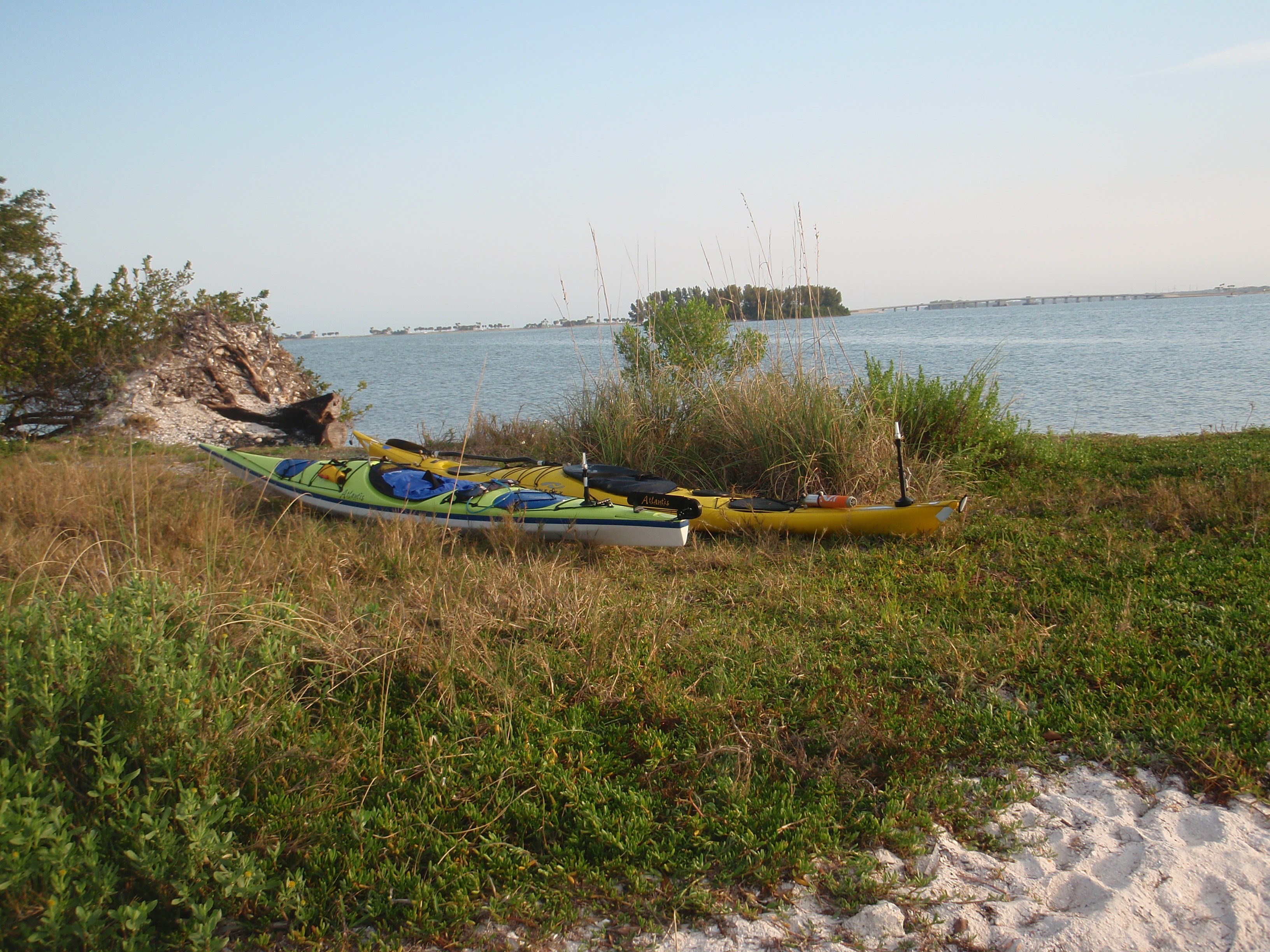
One decision from my years guiding for a local kayak outfitter has stayed with me. The planned trip was from Fort De Soto Park to Egmont Key. Two guests arrived ready for a day that their equipment did not suit.
Good weather was only part of the picture
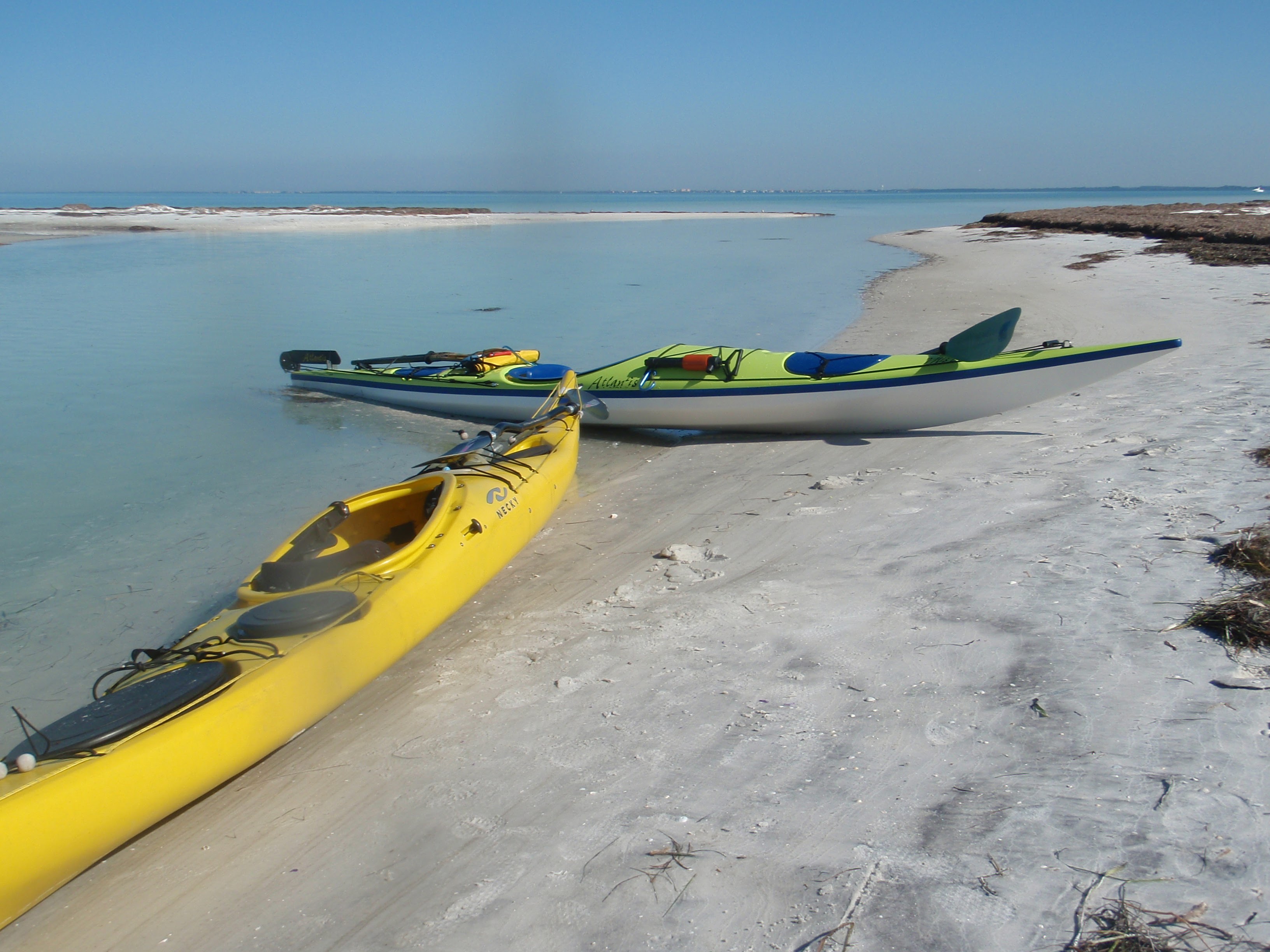
The weather was good. The guests had ten foot recreational kayaks with wide open cockpits and no bulkheads. They had not brought life jackets. I did not consider that arrangement suitable for the planned crossing.
I called the owner and said I intended to refund their money and offer them a free trip on the Silver River the following month. The owner supported my decision. I also suggested possibilities in more protected water around Fort De Soto, rather than sending them away with nothing but a refusal.
The original article described a particular kayak length and design as the proper equipment for that crossing. That was too rigid. Boat length alone does not establish suitability. The craft, flotation and recovery arrangements, paddler’s skills, group support, and actual conditions must be considered together. A longer boat would not, by itself, have settled the question.
What matters in this account is that the proposed trip and the guests’ preparation did not match. Pleasant weather did not erase that mismatch.
A refusal need not be a humiliation
Someone can arrive with unsuitable equipment without being foolish or careless. They may not yet know what the trip demands. That is a reason to explain the problem clearly, not an opportunity to display how much more the guide knows.
I want people to leave such a conversation understanding the decision. What was unsuitable? Why did it matter? What could they do instead, and what would help them prepare for another occasion?
The answer may still be disappointing. Courtesy does not require disguising it. A vague reassurance can be much less kind than a clear refusal.
The next invitation
The guests came on the Silver River trip. My original account records that they enjoyed the river and the food we provided. They tipped us, returned as customers, and later took kayak safety classes.
That was a welcome outcome. It was not what made the earlier decision right. Had they complained and never returned, I would still have owed them the same judgment at the launch.
Their return does show something worth remembering about hospitality. Saying that one trip is unsuitable does not have to mean that the people themselves are unwelcome. We could offer another place to begin.
The food belongs in that memory. They had come for an outing, and we had another opportunity to give them a good day. Sharing a meal was part of looking after the people who had trusted us to take them somewhere.
Who gets to question the plan?
A guide has responsibilities that cannot be delegated to the enthusiasm of the group. But a guide should also make room for questions from the least experienced person present.
A guest who asks why we are crossing, whether the equipment is suitable, or what happens if conditions change is participating responsibly. The question deserves an answer. Credentials do not make a person incapable of overlooking something.
Uneasiness is a reason to pause and investigate. Feeling comfortable is not proof of safety. Compare either feeling with what can be observed: weather, current, traffic, daylight, fatigue, equipment, and available exits. Consider the likelihood and consequences of a problem, along with the alternatives.
The same courtesy applies among friends and family. Nobody should have to earn enough experience before being allowed to say that something is wrong.
Keeping the welcome honest
I have no interest in making every outdoor invitation sound forbidding. People deserve opportunities to learn, stretch their abilities, and enjoy places they could not yet visit independently. That is part of why I teach.
Those opportunities need a sound foundation. Encouragement means helping someone prepare for the next step and choosing a setting in which learning is appropriate. It does not mean pretending the step is smaller than it is.
At the launch, I could offer the guests a refund, an explanation, and another invitation. I could not offer them a guarantee that the crossing would forgive what we had overlooked.
That remains my measure of a responsible welcome: enough honesty to say no to the proposed plan, and enough care to help someone find a better beginning.
Jeffrey John Fabiszewski
Further reading and instruction
Read Wilderness Safety Skills for a related discussion of judgment, or Silver River: Clear Water, Shared Company, and a Longer Story for a reflection on the place.
For practical paddling education, the American Canoe Association’s Smart Start resources address equipment, skills, planning, and decisions. For instruction inquiries, visit Liquid Rhythm Kayaking. This historical account is not a route guide or an endorsement of a particular crossing or equipment arrangement.

