
A Maine island, a Scout troop, and the ordinary work of being a good guest
A black dry bag is an unlikely thing to remember fondly.
Especially this particular bag.
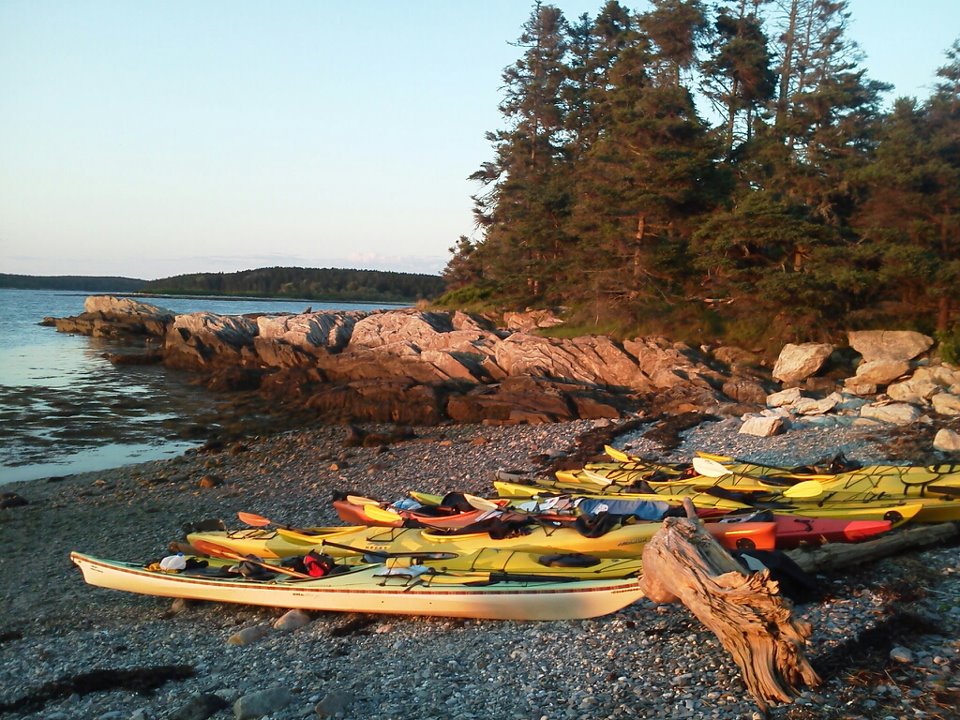
On a five day paddling trip through Muscongus Bay in Maine, each member of our Scout group carried one. It held our collected human waste. We packed it into our own kayaks and carried it away from the islands where we camped.
No impressive piece of equipment. No grand ceremony. Just something that needed doing if we intended to take care of the places we had come to enjoy.
I have thought about those bags since then. Having spent much of my life teaching outdoor skills, I have learned that the less glamorous jobs often tell me the most about a group.
Watch who cleans the cooking pot. Watch how people treat borrowed equipment. Watch what happens when taking care of a campsite becomes inconvenient.
You learn quite a bit.
A place to spend the night
Mark, a local guide, and I were paddling with a troop whose young people understood how to take responsibility.
Their Senior Patrol Leader had studied the charts before arriving. The Scouts helped organize the equipment and pack the kayaks. Once we reached camp, they attended to the work that would let everyone enjoy the rest of the afternoon.
They cooked. They cleaned. They had time to paddle and look for seals.
I wrote about that trip in my Maine tastic account at Liquid Rhythm Kayaking. What stayed with me was the pleasure of seeing young people trusted with real work, then watching them do it.
Their sanitation belonged to that same experience.
We did not dig cat holes on the islands where we camped. Each paddler used a homemade collection system involving newspaper and double bags, carried inside a designated black dry bag.
It was an ordinary part of living there for a few days.
The islands gave us somewhere to land, prepare supper, and sleep. Taking our waste away was part of accepting that hospitality.
I use that word deliberately.
A campsite can feel like a possession once the tent is up and the boats are pulled ashore. We arrange our equipment. Find a comfortable place to sit. Decide where supper will be cooked. Before long, we are calling it our camp.
For the night, it is.
The place itself has a longer life than our visit.
Manners beyond the front door
Most of us understand how to behave when visiting someone’s home. We do not leave our rubbish behind the sofa because carrying it to the bin would interrupt a pleasant evening.
Yet people sometimes arrive outdoors with a different understanding of what they owe their surroundings.
There is no host standing at the door. No kitchen floor to show the muddy footprints. No immediate conversation about the mess.
That makes personal responsibility more necessary.
To my mind, stewardship begins with the same consideration we should bring to any visit. Pay attention to where you are. Learn what is expected. Take care with what has been made available to you.
On that Maine trip, consideration had a very practical consequence. Something unpleasant came back in the kayak with us.
I would not pretend anyone books a paddling holiday for that privilege. But wanting to enjoy a place carries obligations along with it.
The view comes with chores.
What we teach when nobody is grading
I have been involved in Scouting since I was a boy. Much of what I value in it comes down to young people learning that their actions affect other people.
A patrol needs supper. Someone has to prepare it. The cookware needs cleaning before the next meal. Equipment has to be packed so it can be found and used.
Those jobs have visible consequences. Neglect the pot and you meet it again at breakfast.
Caring for a campsite asks a young person to think a little farther ahead. The next visitors may arrive after we have gone. We may never know their names or hear what they thought of the place.
We still owe them a decent campsite.
That is a useful lesson for a young person to carry home.
It applies to a shared kitchen, a neighborhood park, a school, and a boat launch. There are jobs worth doing properly even when the person who benefits cannot thank you.
Adults have to practice that lesson too. Especially adults.
We cannot talk about service around a campfire, then leave the unpleasant work for someone else.
Supper and the work around it
Food occupies a considerable amount of my thinking on an expedition. There is the provisioning, the packing, the cooking, and the quiet satisfaction of seeing people settle down with something good to eat.
A shared meal gives a temporary camp some of the comforts of home.
But the care that makes that meal possible extends beyond the stove.
It includes clean hands, drinking water, washed utensils, and keeping toilet equipment away from the food. It includes the person who cleans up after everyone has eaten.
On the Maine trip, the Scouts prepared meals and washed dishes. Those responsibilities helped make the camp a place where we could enjoy being together.
I care about the food and the people gathered around it. That means caring about the work surrounding the meal, including the parts nobody photographs for a cookbook.
The black bags belonged to that work.
The old ways deserve an honest look
I value traditional outdoor skills. They have shaped my life and much of what I teach.
I also know that a familiar practice deserves to be questioned when the place or the circumstances call for something different.
Being comfortable digging a cat hole does not make digging appropriate everywhere. Having followed one disposal method years ago does not establish it as the right advice today.
Our homemade newspaper and storage bag system was what we used on that trip. It should not be mistaken for a commercial waste collection product. The final disposal method we used then also needs to remain part of the historical account, rather than become an instruction for readers to repeat.
I have addressed those distinctions in The Black Bag in Every Kayak at Liquid Rhythm Kayaking. Anyone planning a similar trip should confirm current requirements with the destination’s managers and arrange an accepted disposal method before leaving home.
Writing honestly about experience means being willing to examine it afterward.
I want to preserve the judgment behind a practice as carefully as the practice itself. In this case, the judgment was simple: we needed a way to enjoy those islands without leaving our waste for the islands or the next visitors to bear.
The equipment and methods can improve. That obligation remains.
What came home
We came home from Maine with stories.
There were seals, cold water, and young people who knew how to organize a camp. There was also scorched popcorn. On the last night, I gave the Senior Patrol Leader my Jiffy Pop to prepare, and the result had rather more smoke in its character than I had intended.
I ate some anyway.
Two months later, the Scoutmaster sent me a thoughtful letter and two replacement packages of Jiffy Pop. I remember that kindness.
I remember the black bags too.
Both belong in the account of that trip. The pleasure of being together, and the responsibilities that allowed us to be there.
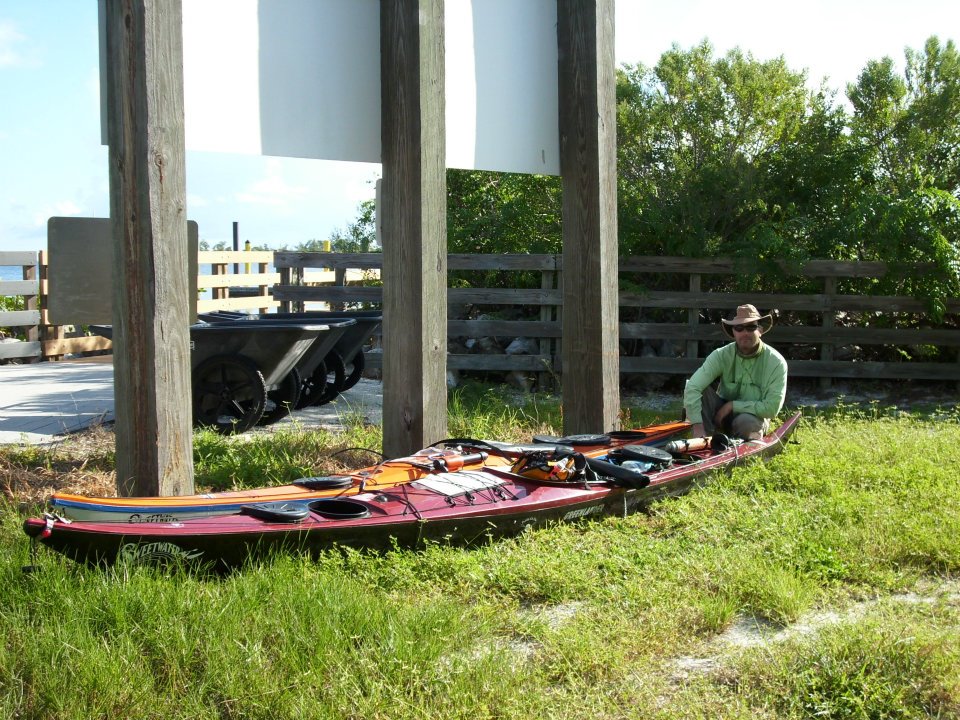
Here in Florida, I carry that understanding into other camps and onto other waterways. The surroundings change. So do the rules and the practical arrangements. I still want the people who come after us to find a place worth visiting.
Perhaps they will pull their boats ashore after a difficult crossing. Perhaps they will have children with them. Someone will be hungry. Someone will be looking forward to sitting down.
They should be able to get on with making supper.
We had our turn.
Jeffrey John Fabiszewski
FloridaOATS
For the practical account and links to the original Maine tastic series, visit Liquid Rhythm Kayaking.

