
A winter journey with a friend, and the difference between following a route and coming to know a river.
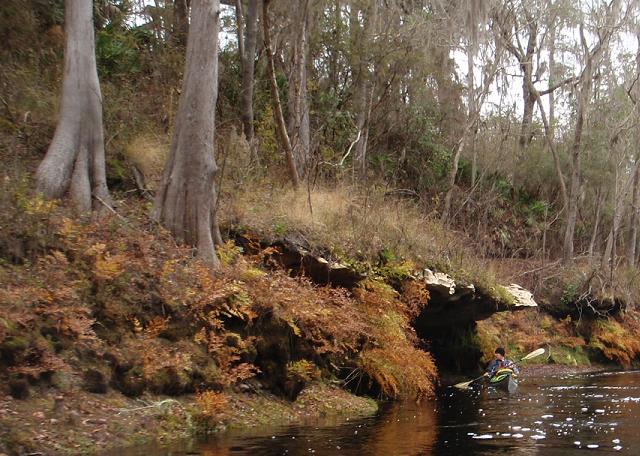
Sean Fitzgibbon and I paddled the Suwannee River from December 27, 2009, to January 1, 2010. We left one year and returned in another. The calendar gives the journey a tidy boundary. What stays with me is harder to put inside dates.
In the final entry of our trip account, I wrote that the river had given us plenty of time to reflect and that, unfortunately, we had to return to the city. It was a short entry. I still recognize the reluctance behind it.

A river asks for a different kind of attention
The Suwannee gave us a route to follow and time to spend together. Those are separate gifts. A line on a map can tell us where a journey might go. It cannot tell us what the company will mean, or which thoughts will still be with us when the boats are unpacked.
On an expedition, even with a friend nearby, you spend long stretches alone in your own kayak. The other boat is company, but nobody else occupies your seat or does your thinking. Conversation and silence both have room to do their work.
That is part of what draws me to journeys on the water. There is necessary work to attend to, and there is time in which the usual distractions have less claim on us. Reflection need not arrive as a grand revelation. Sometimes it is simply the chance to finish a thought.
More than the scenery
In the earlier version of this article, I recommended the stretch between White Springs and Branford as one of the most scenic and uncrowded parts of the river. That was an expression of affection, rather than a promise about what another paddler will find.
I would still encourage someone to learn about the Suwannee. I would be more careful about selling it as a guaranteed number of relaxing days. A river journey requires attention to conditions, the people traveling, and the places where they can safely stop. My pleasant recollection cannot do that planning for someone else.
The Suwannee River Water Management District describes a river of approximately 246 miles, flowing from the Okefenokee Swamp in Georgia to the Gulf of Mexico. Its dark color comes from decaying vegetation. The district also explains the close relationship between the river and its springs.
That relationship interests me. The water beneath a kayak is connected to more than the next bend. Enjoying a river should make us more curious about what sustains it, and more careful about how we use it.
Returning without repeating the journey
I have traveled the Suwannee on other occasions, including with Scouts and in the company of fellow paddlers. Those journeys belong to their own accounts. They should not be folded into this winter trip simply because the river has the same name.
The company changes what we notice and what responsibility asks of us. With young people, there is the work of making room for learning. With an experienced friend, there may be more that can pass without explanation. Neither makes the journey automatic.
Returning to a place can deepen affection, but familiarity should sharpen our attention. The river we remember is not a report of today’s water level, access, or weather.
The life carried in the boats
An expedition reduces household life to things that must be carried and work that must be shared. Shelter, clothing, food, and the care of equipment become immediate concerns. So does consideration for the person traveling beside us.
I value that ordinary work. A meal at camp is part of the journey’s purpose for me. We feed ourselves, of course, but we also make a place to sit together after the paddling is finished.
I do not need to supply a remembered menu where this account records none. The importance of the meal is enough: someone has thought about the other person’s hunger, and the day has made room for company.
What comes home
The last day’s entry records my regret at returning to the city. Looking back, I am interested in what we can bring into that return. We cannot keep the river’s pace everywhere. We can make more deliberate room for attention, useful work, and the people whose company we value.
The photograph of my kayak preserves a moment near the end of the trip. It also leaves the story open. A boat ashore means work to do before going home, and the possibility of another journey when the time is right.
Jeffrey John Fabiszewski
The expedition record and a future visit
Read the original Suwannee expedition archive at Liquid Rhythm Kayaking for the contemporary trip reports. Their dates, conditions, and arrangements describe that journey.

For a future trip, consult Florida State Parks’ Suwannee River Wilderness Trail page for current alerts and camping information, and the Suwannee River Water Management District’s boating resources for water conditions and planning links. Confirm access, closures, and reservation arrangements directly before departure. The old map and campsite spacing are not a current itinerary.

