
Small injuries, a long paddle, and the responsibility to reconsider what experience seemed to teach.
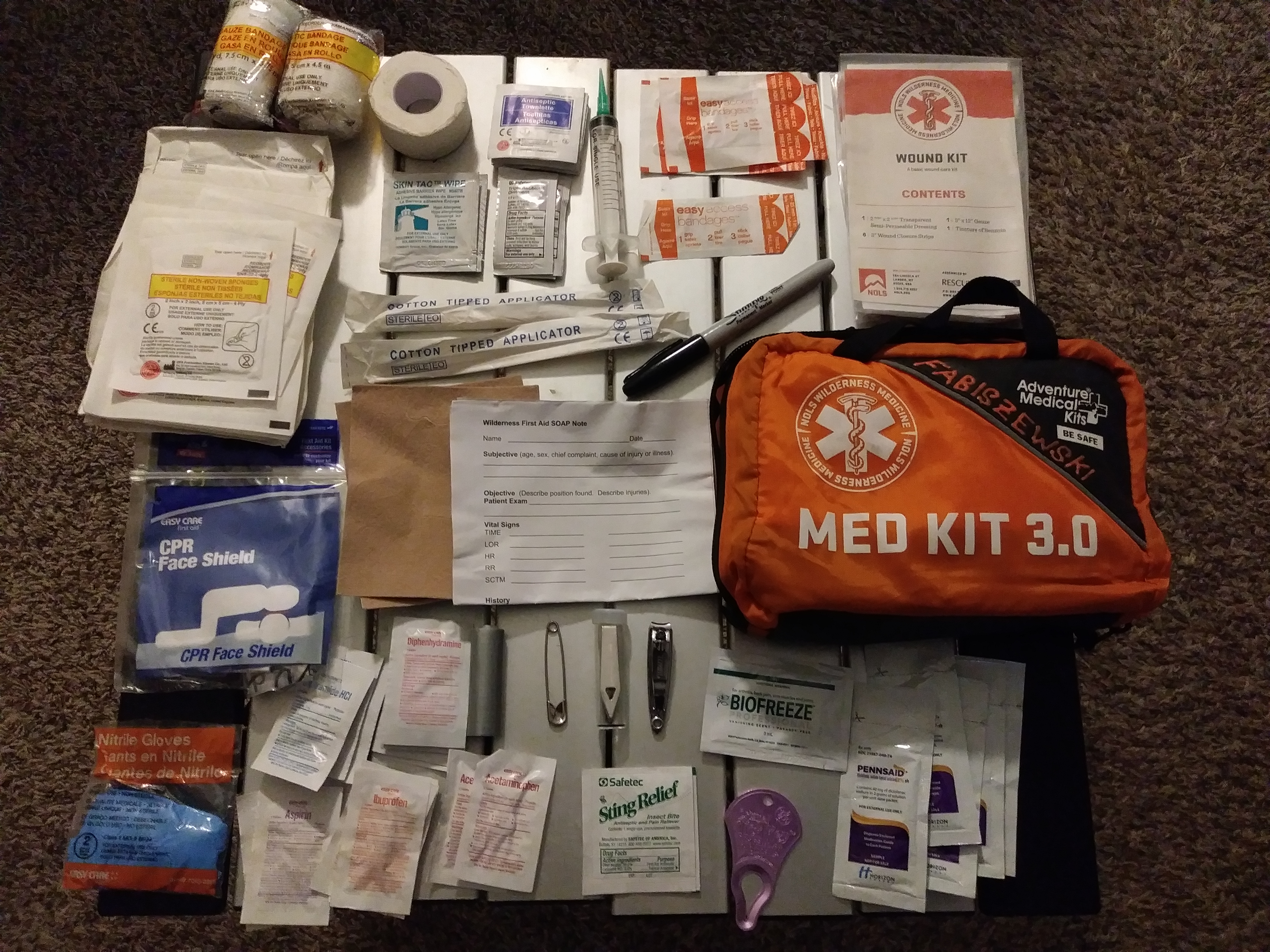
My wife thinks I am a little crazy because I have several first aid kits. There is a trail running kit, a day hiking kit, a rock climbing kit, and several kayak kits. Each answers a different set of needs. Apparently one bag of bandages was never going to satisfy me.
But owning several kits leaves an uncomfortable question unanswered: what will I do when someone beside me needs care, and my preferred plan is no longer the sensible one?
A long paddle with Sean Fitzgibbon gave me a story about small skin injuries. Looking back has given me a lesson about the limits of that story.
What happened on the Blueway
During our 190 mile Great Calusa Blueway expedition in September 2011, my skin began to break down. By day three, after 50.4 miles, I had nipple chafing and blisters on my hands. Friction and prolonged wetness were taking their share.

I applied New Skin liquid bandage and reported that it helped. On my nipples, it stung. Some details of an expedition require no photograph to remain memorable.
Sean had a cut on his foot with redness and swelling. We irrigated it and applied liquid bandage. In the original account, I called the wound infected and wrote that the redness and swelling subsided and it healed within two days.
That is what I recorded. We did not establish a confirmed infection. The reported improvement did not establish which part of the care caused it, or whether sealing the wound was appropriate.
A good outcome can teach the wrong lesson
It is easy to turn a sequence into an explanation. We did something, the problem improved, and the treatment became the lesson. Told around a campfire, that makes a tidy story. Published as first aid advice, it asks the reader to trust more than the evidence supports.
My earlier advice exceeded what I could reasonably conclude. I withdraw the recommendation to put liquid bandage on a possibly infected wound. The New Skin Drug Facts label prohibits use on infected areas or draining wounds. Follow the label for the exact product you carry.

I also withdraw my explanation that the coating caused blister fluid to be absorbed and skin to harden. I had not established that mechanism. My use on chafed nipples should not be copied as advice for that sensitive area.
The same responsibility applies to my old suggestion of seawater, mud, or liquid bandage for mosquito itching. I no longer recommend those measures. The CDC mosquito bite guidance recommends washing with soap and water and using an ice pack to reduce itching and swelling. Protect the skin from direct ice contact. Mud and coastal water add contamination that scratched skin does not need.
Experience is valuable. It also needs questioning. Otherwise, a fortunate outcome can become a confident recommendation that somebody else pays for.
What carrying the kit means
When a companion trusts you, the first aid kit carries an obligation beyond its contents. You need to notice changes, listen without making the person feel troublesome, and be willing to reconsider the day.
A blistered hand belongs to the person who must grip a paddle. A sore foot belongs to the person who must cross the landing. Those injuries affect how the group can travel and help one another. The distance remaining on the itinerary does not make them less important.
I want a companion to be able to say, “This is getting worse,” without first having to defend the interruption. That is a standard I want to bring to my teaching as well. Someone who reports a problem early is helping the group make a better decision.
Modest supplies and honest limits

My wound pack contained gauze, compound benzoin tincture, closure strips, and a transparent dressing. Those supplies offered possibilities. They did not make every wound suitable for field closure, and they could not decide when professional care was needed.
This is where practiced skills and sound judgment belong beside modest equipment. Training gives us a way to assess and communicate. Practice makes unfamiliar tasks more manageable. Judgment includes recognizing that the problem has outgrown the care we can provide.
Coastal exposure deserves particular attention. CDC guidance recommends keeping open wounds out of saltwater and brackish water when possible. If exposure occurs, wash thoroughly with soap and clean running water. A waterproof dressing does not make continued immersion risk free.
After coastal exposure, wound redness, pain, swelling, warmth, drainage, fever, or discoloration calls for immediate medical evaluation. Tell the clinician about the water exposure. Vibrio wound infections can become serious; do not wait for the next campsite. If the person cannot travel safely, obtain emergency help and continue care within your training while assistance is arranged.
The care that makes camp possible
When I think about camp, I think about the people gathered there and the meal we will share. Care for those people begins well before supper. It includes making room for a concern, checking whether tomorrow’s plan still makes sense, and accepting an early finish when that is what the group needs.
A good meal is an expression of welcome. Looking after a companion belongs to the same responsibility. Both require us to pay attention to the person in front of us.
I still carry first aid kits. I still value the small supplies that make a difficult day more manageable. What has changed is the weight I give a successful outcome when deciding what to teach.
Keeping this expedition story honest means keeping the observations, correcting the conclusions, and admitting where my knowledge stopped. I owe that to the people who were there, and to anyone who might read the story before packing for a trip of their own.
Jeffrey John Fabiszewski
Practical guidance and further reading
For the fuller discussion of skin care, wound assessment, irrigation, and evacuation decisions, read the corrected Skin ’tastic Thinking: First Aid on Liquid Rhythm Kayaking. Continue with FloridaOATS’ Wilderness First Aid Reading Guide and Jeff’s Favorite First Aid Essentials.
This essay supports preparation for a Wilderness First Aid certificate course. It does not replace hands on training, individual medical advice, or emergency care. The linked product label and CDC resources support the corrections above; they do not establish what caused the improvement reported in 2011.

