
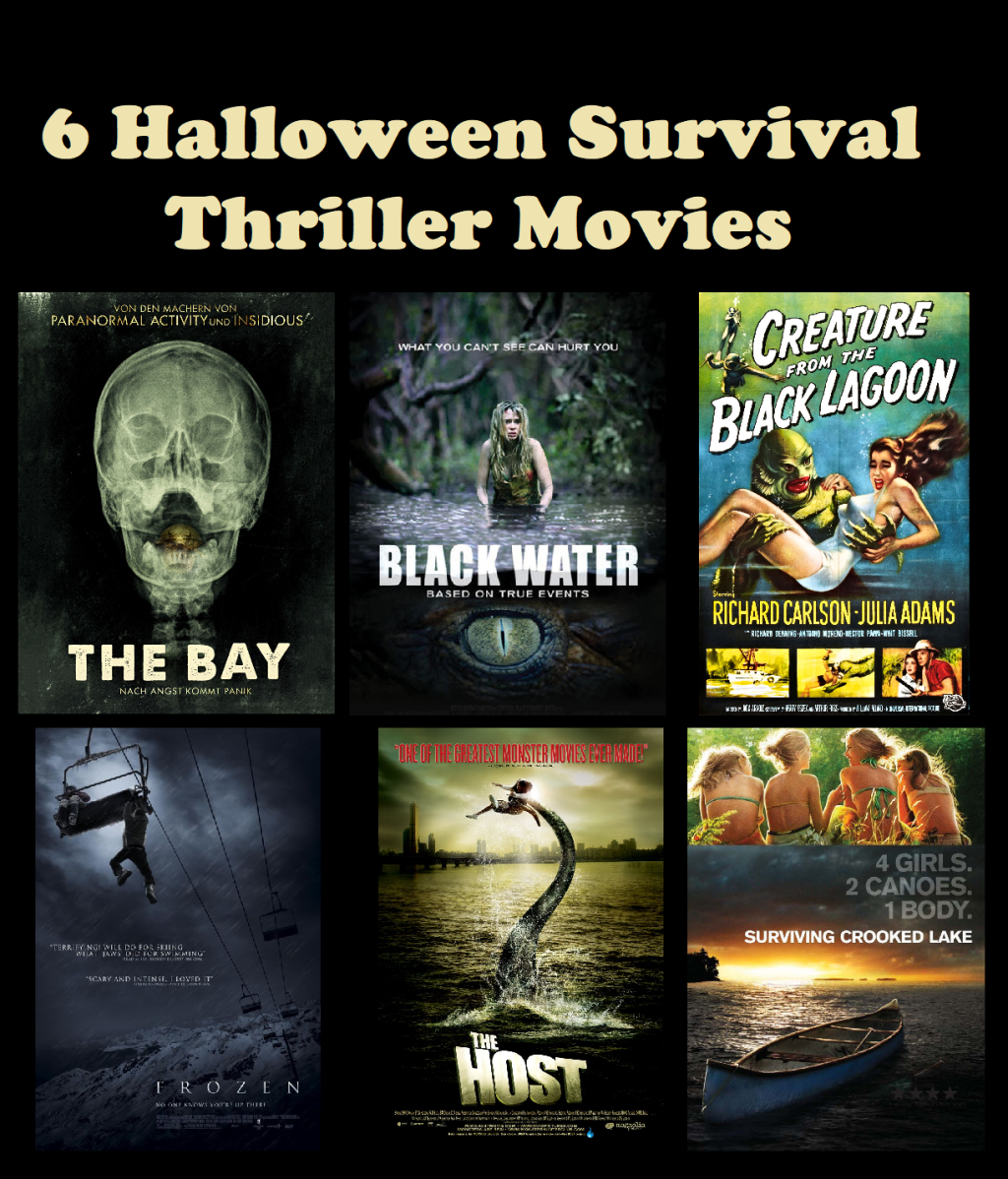
What six frightening films reveal about the stories we carry into wild places.
Halloween gives us an invitation to tell frightening stories. Around a campfire, the darkness beyond the light does part of the work. At home, a film can make a familiar sound or a stretch of water seem suddenly uncertain.
I enjoy considering what those stories ask us to fear. A monster may be the obvious answer. But look again at a wilderness thriller, and the deeper anxiety may be losing a guide, discovering that authority cannot be trusted, or realizing that the landscape was never ours to control.
That is the connection I see among the six films I originally gathered here: The Bay, Black Water, Creature from the Black Lagoon, Frozen, The Host, and Surviving Crooked Lake. They are different kinds of fiction. Read together, they raise a useful cultural question: what happens when our expectations of a place fail?
The explorer who expects to take possession
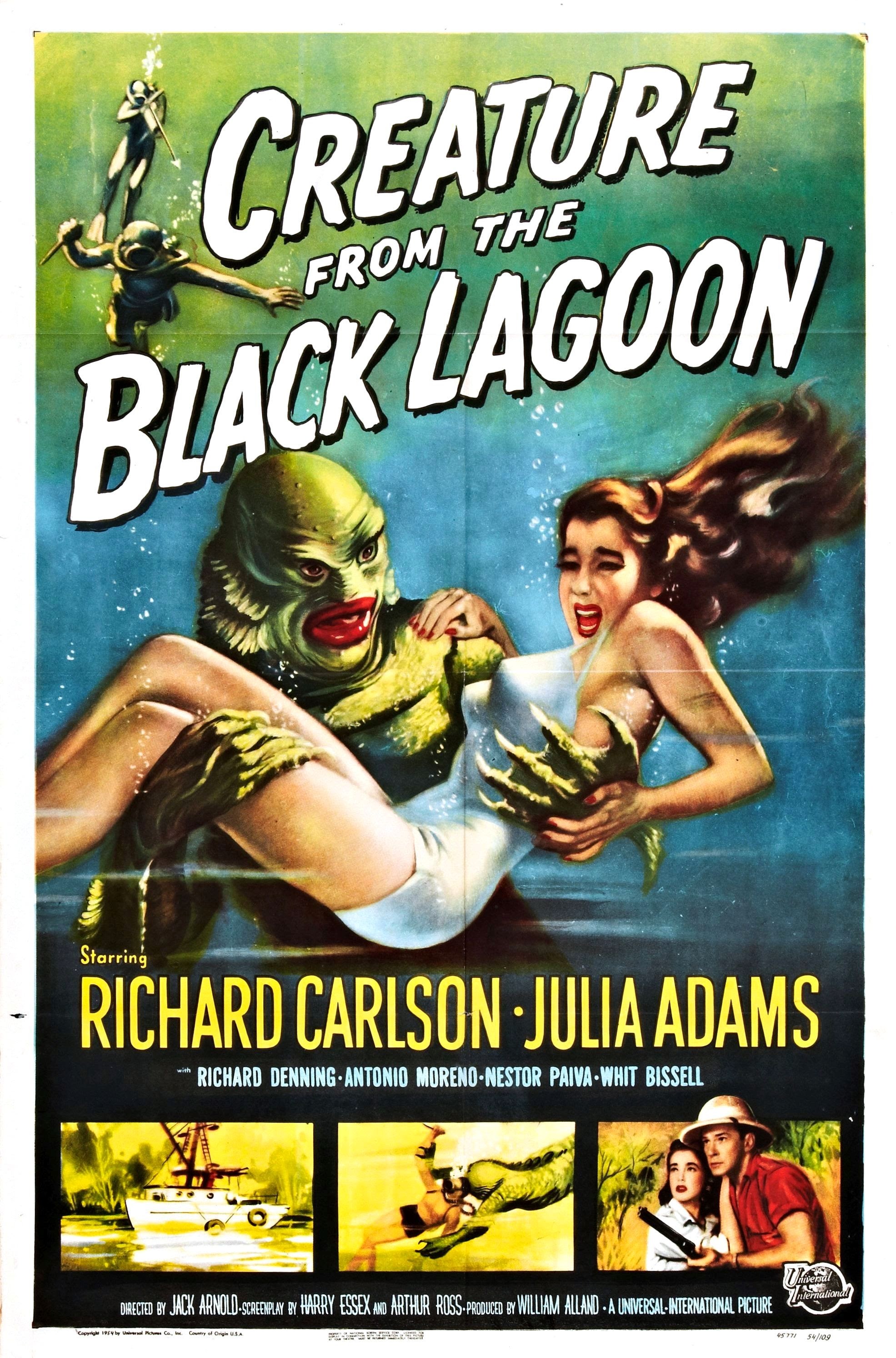
In Creature from the Black Lagoon (1954), scientists exploring the Amazon encounter a creature they intend to capture for study. That premise appears in Universal’s synopsis. The expedition arrives seeking knowledge, but knowledge and possession soon become entangled.
What interests me is the assumption beneath the adventure. Finding something seems to grant a right to take charge of it. In my reading, the creature unsettles more than the expedition’s physical safety. It unsettles the confidence that an unfamiliar place will yield to the visitor’s purpose.
The question travels well beyond an old monster film. When we enter a landscape, do we understand ourselves as guests, students, customers, or owners? Those roles encourage different behavior. An admission fee, a reservation, or an expensive boat does not settle our obligations to a place.
When the danger begins among people
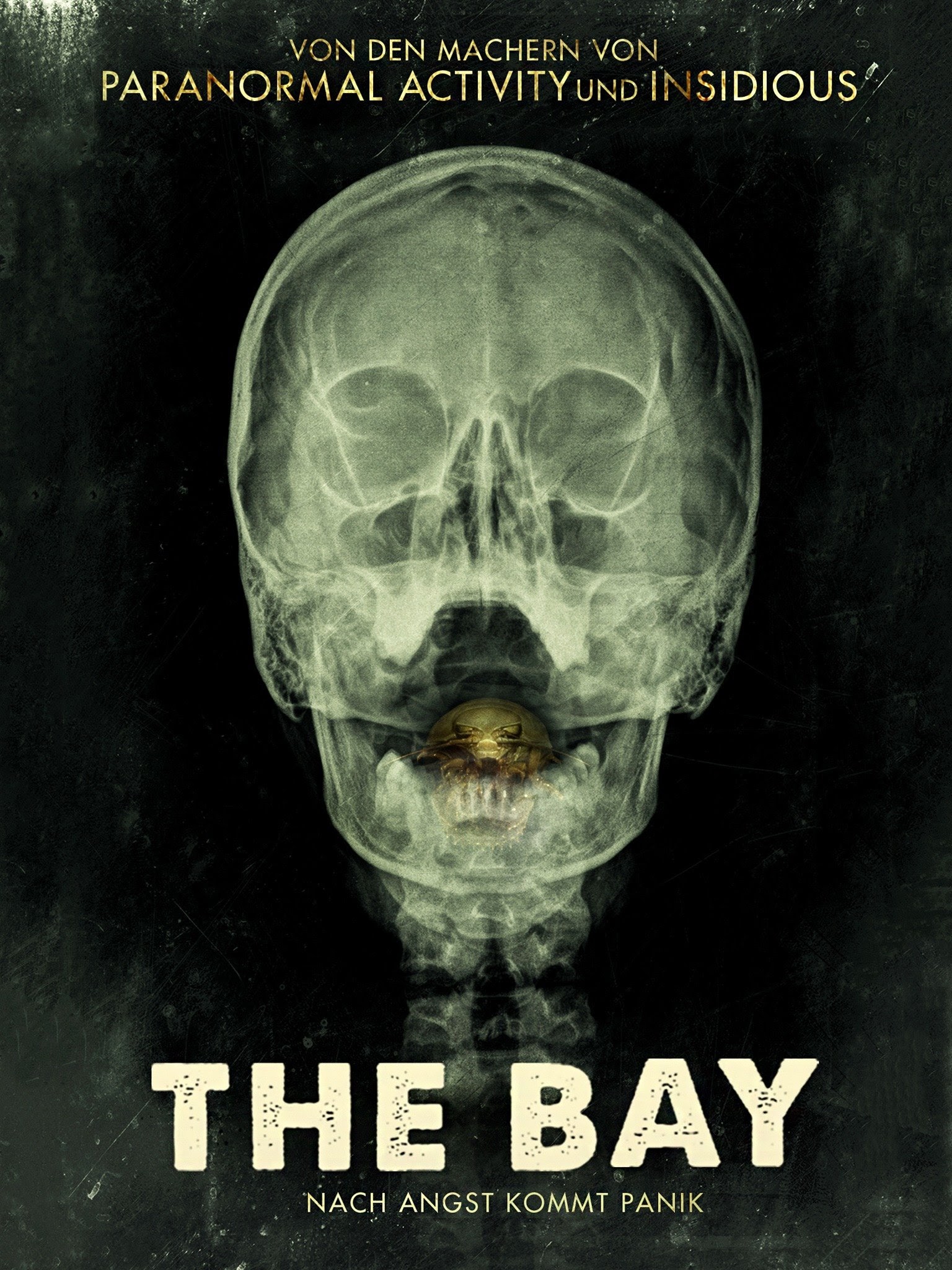
Barry Levinson’s The Bay (2012) presents a fictional parasitic outbreak through recorded fragments and an account of concealment. Its distributor describes a community whose disaster emerges through phone recordings, emergency calls, and other footage.
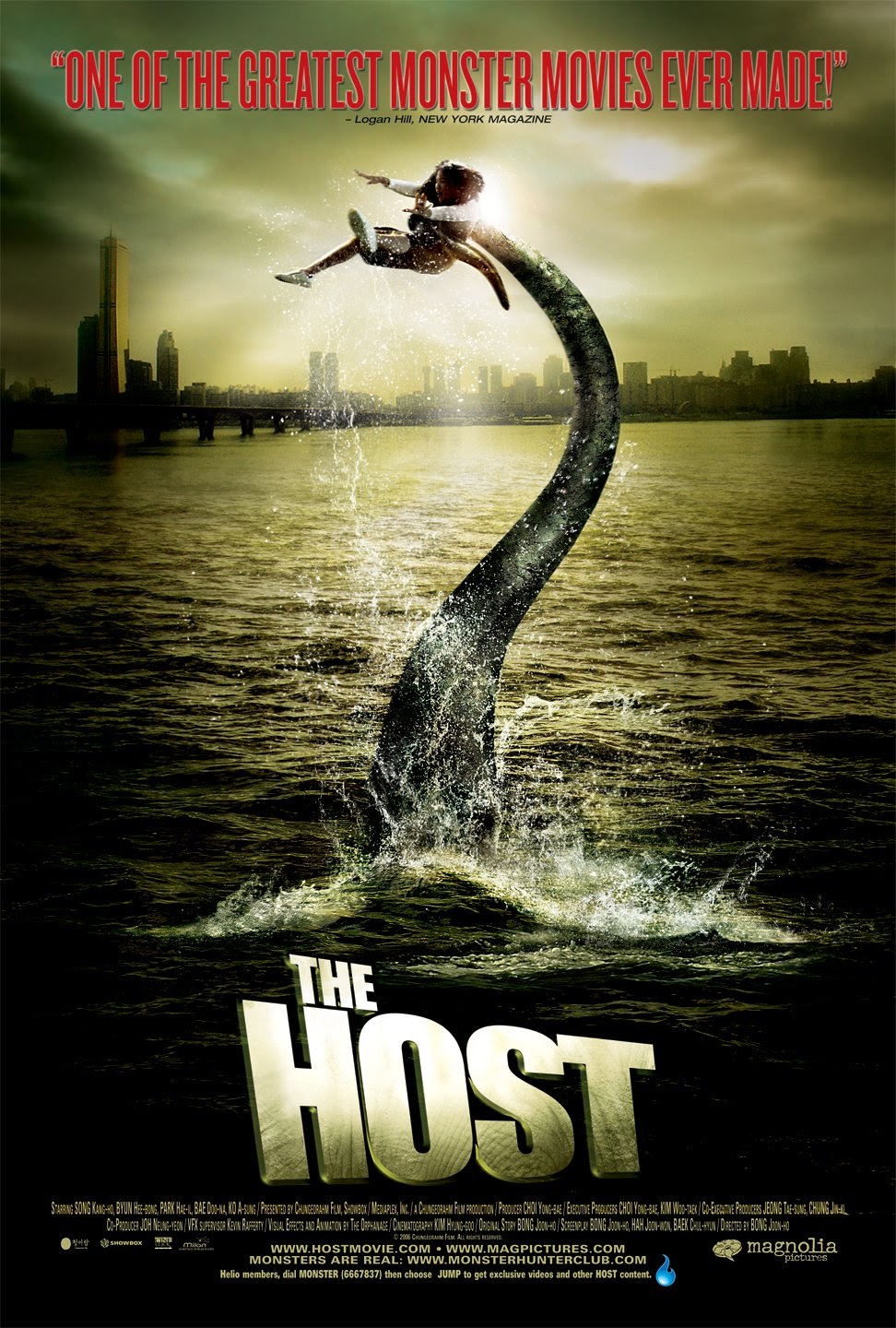
The Host (2006) brings a creature into the life of a family beside Seoul’s Han River. The Magnolia and Magnet release page places that family at the center of the story.
For me, these films complicate the familiar idea of nature as an enemy waiting outside civilization. Pollution, concealment, and failures of authority bring human decisions into the horror. The threatened community cannot simply close its doors against the wilderness. Its relationship with the water is already part of daily life.
That is a more demanding argument than saying that water hides dangerous things. It asks who makes decisions about a shared resource, who bears the consequences, and whose warnings receive attention.
These are fictional stories, not evidence for a particular environmental claim. Their value here is the discussion they provoke about responsibility. An actual pollution problem needs actual evidence. A monster supplies neither a laboratory result nor a management plan.
The outing that stops obeying the plan
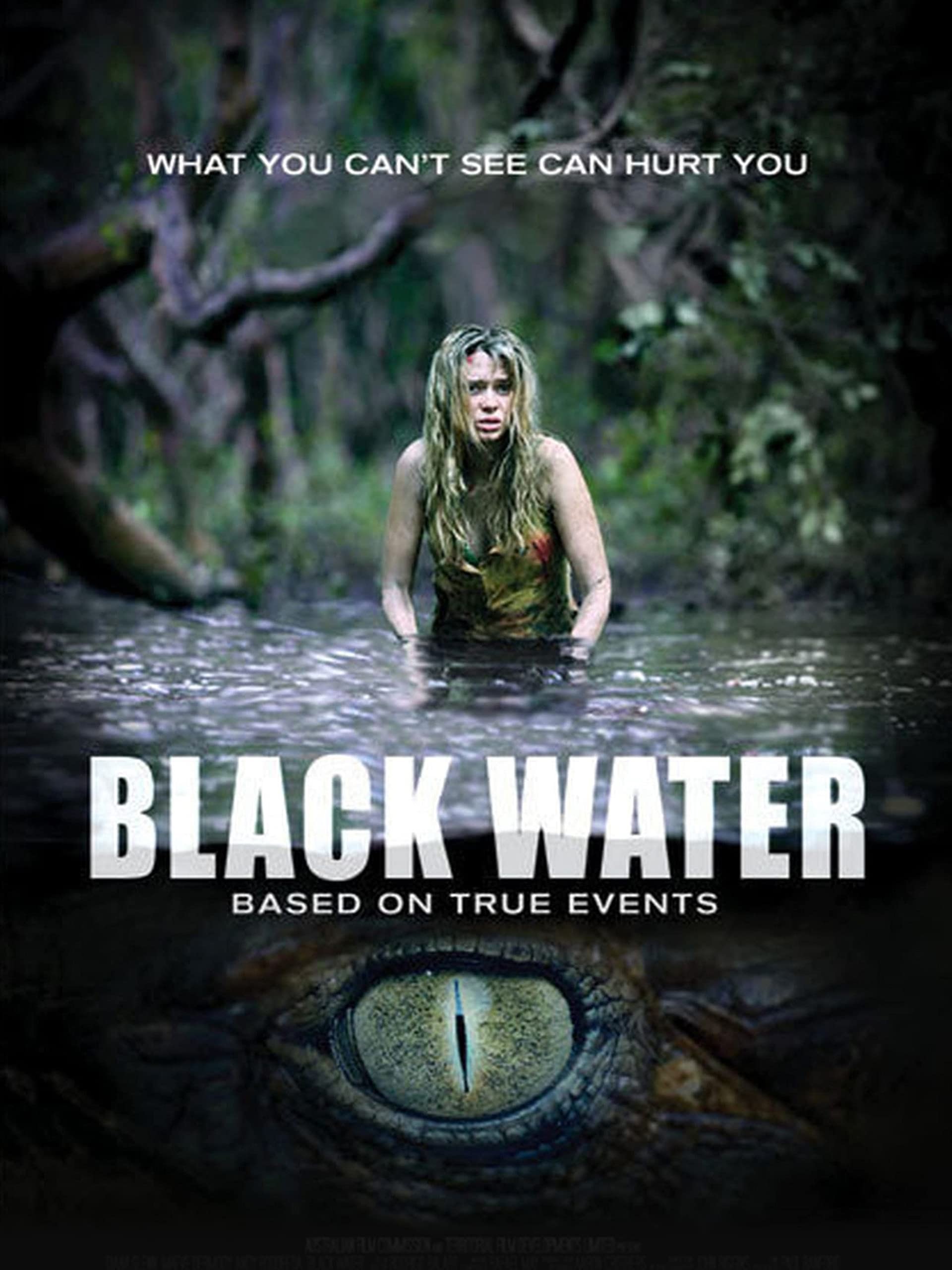
Black Water (2007) turns a northern Australian fishing tour into a struggle involving a crocodile. Sony’s synopsis establishes the holiday setting and the threat.
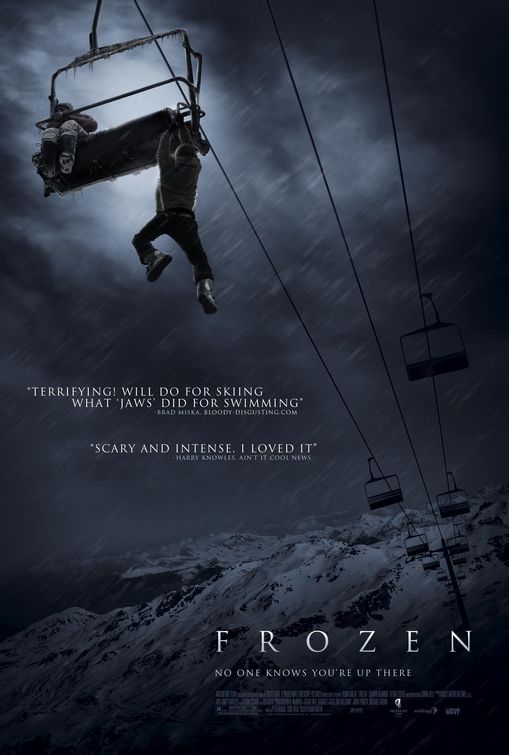
In Adam Green’s Frozen (2010), three skiers become stranded on a chairlift after the resort closes. ArieScope’s production page identifies the situation and the film.
One story begins on a river; the other begins with machinery in a developed recreation area. Both disturb the expectation that a leisure activity comes with a dependable way back. We have paid, arrived, and followed an ordinary arrangement. Surely somebody knows where we are.
As an outdoor educator, I find that assumption worth examining. But I would not use either film to teach animal behavior, rescue, or survival decisions. The events have been selected to sustain tension. A frightening sequence can be dramatically effective and still be a poor model for action outdoors.
Nor should a crocodile thriller become a portrait of every mangrove waterway. The emotional force of a film is precisely why we should distinguish what it makes us feel from what we know about a real place.
When the person we followed is gone
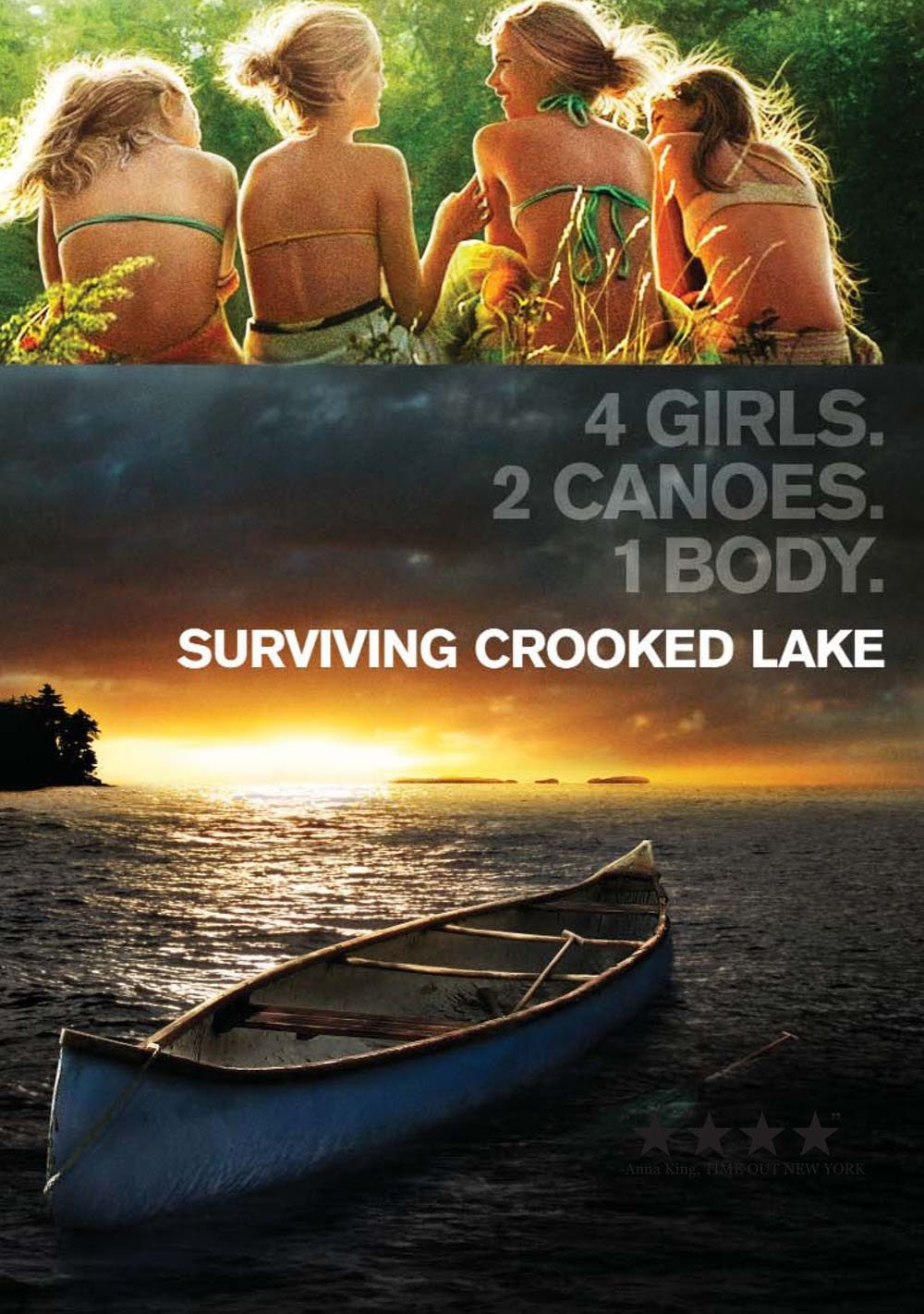
In Surviving Crooked Lake (2008), an accident kills the guide on a canoe trip, leaving four young companions to find their way home. Mongrel Media’s synopsis confirms that premise and the year.
The anxiety here is partly social. What does the group know once the person it relied upon is no longer there? Who can contribute, and how will fear affect the way they treat one another?
I am interested in that dependence. Trusting a leader is reasonable. Building a group in which only the leader knows the plan leaves everyone else with less to contribute when circumstances change. The film gives that concern a dramatic form; it does not supply a training standard.
What the campfire story leaves us
These films do not all make the same argument, and I would not reduce them to outdoor lessons with monsters added. They belong to cinema, with its own pleasures, exaggerations, and unsettling images. Several contain graphic or disturbing material. This essay is not a family viewing endorsement.
What draws the selections together for me is the failure of assumed control. The explorer cannot simply claim the discovery. The community cannot assume its authorities will protect it. The holidaymaker cannot assume that the return is somebody else’s problem.
A good frightening story may leave us more attentive. It should not leave us convinced that the outdoors is principally a place waiting to punish visitors. I go outside for the water, the company, the work of making camp, and the meal we will share. Those pleasures deserve more than a collection of imaginary threats.
After the story, there is still a real place to learn about. That is where I would like the conversation to go when the credits finish and someone puts another cup on the table.
Jeffrey John Fabiszewski
Film references and companion reading
The linked studio, production, and distributor pages document film identities and basic premises. The cultural readings above are my interpretations, rather than claims about the filmmakers’ stated intentions.
For another FloridaOATS film reflection, read The Summit: Looking Beyond the Equipment. For the difference between confidence and considered judgment outdoors, continue with Wilderness Safety Skills: The Willingness to Reconsider.


Leave a Reply