
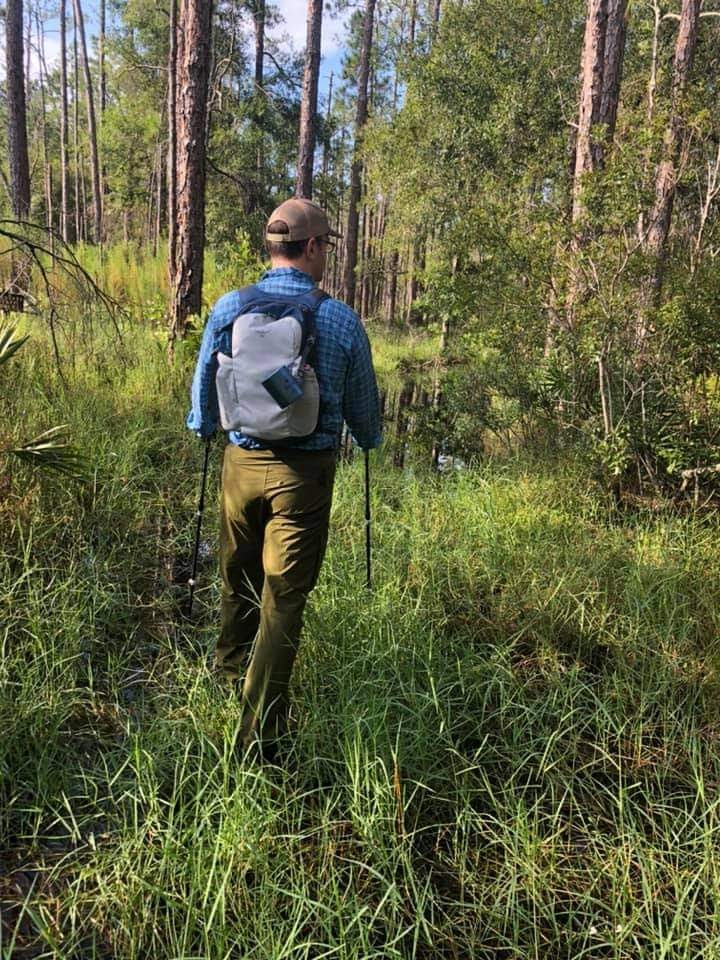
A September walk through Brooker Creek Preserve, remembered with its limits intact.
In September 2021, I walked a loop connecting Wilderness Trail, Pine Needle Path, Blackwater Cutoff, and Flatwoods Trail. My original account recorded about four miles. That is a record of my walk, not a current route recommendation or a guarantee that the same connections are open today.
Part of Brooker Creek’s beauty is how much changes within a few hours on foot. Pine flatwoods give way to oak hammocks, cypress domes, and forested wetlands. On that walk, sections of the trail had water over them, and I found myself knee deep in the wetland.
I was interested in what the changing landscape revealed. Small fish moved along the submerged trail. The distinction between a path and the surrounding wetland looked rather less definite than it had on dry ground.
Reviewed and revised October 21, 2026. The original wording suggested that suitable gear and experience were enough reason to continue into water. That was too broad. This historical account does not establish that the conditions were safe or appropriate for another visit.
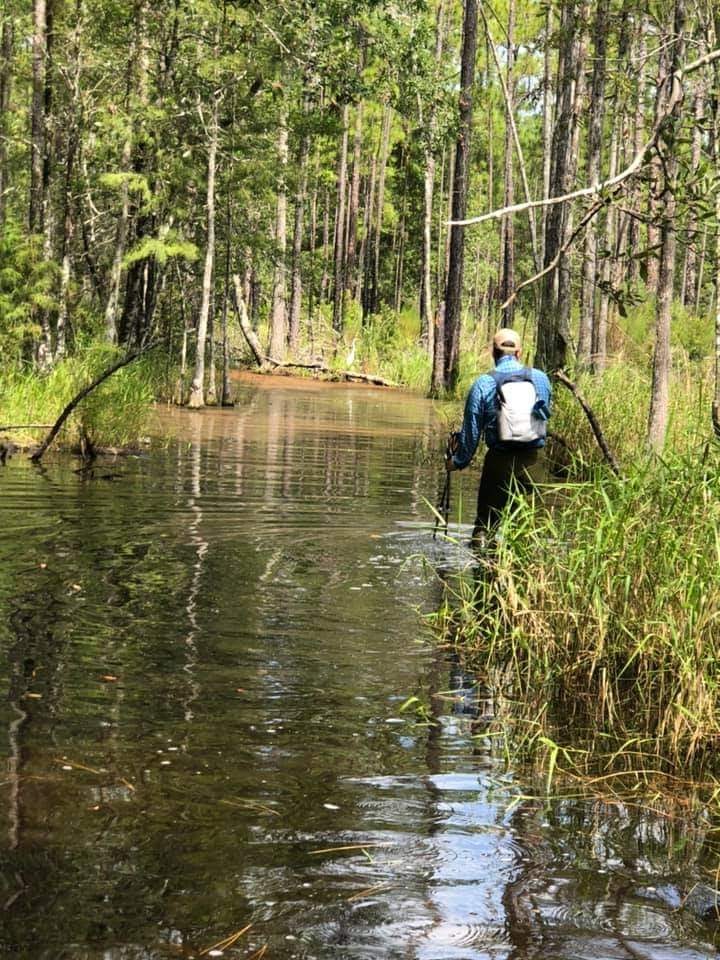
Seasonally wet is a description, not permission
The preserve’s official trail guidance explains that some trails may be seasonally wet, while boardwalks cross routinely wet areas. Conditions, closures, water levels, and the needs of the visitor still determine whether a route is suitable.
Before leaving home, check Pinellas County’s preserve page and linked closure updates, current trail information, and the forecast. Ask preserve staff about uncertain conditions. Follow posted restrictions and use an open boardwalk or dry route when that better suits the day.
Seasonal standing water and hazardous flooding are not interchangeable, but calling a place a wetland does not rule out flood danger. The National Weather Service advises against walking through floodwater. Moving or rising water, storm flooding, obscured footing, or an uncertain route are reasons to stay out and change the plan. Do not test depth or current by stepping in.
Water can hide holes, sharp objects, and changes in the trail surface. Trekking poles, waterproof boots, and familiarity do not establish what lies ahead. If the route becomes uncertain, return along a known safe route if possible. Do not cut a new path through vegetation to get around a wet section.
What I noticed, and what I could not know
Early in the morning I saw three deer. Butterflies moved among the flowers. Small fish swam in the water along the trail, and animals I described then as newts appeared and disappeared around fallen trees.
I did not see an alligator or a cottonmouth. That records what I noticed, not what was absent. Florida Fish and Wildlife Conservation Commission guidance calls for keeping a distance from alligators and never feeding them. A quiet surface is not evidence that wildlife hazards have been checked off a list.
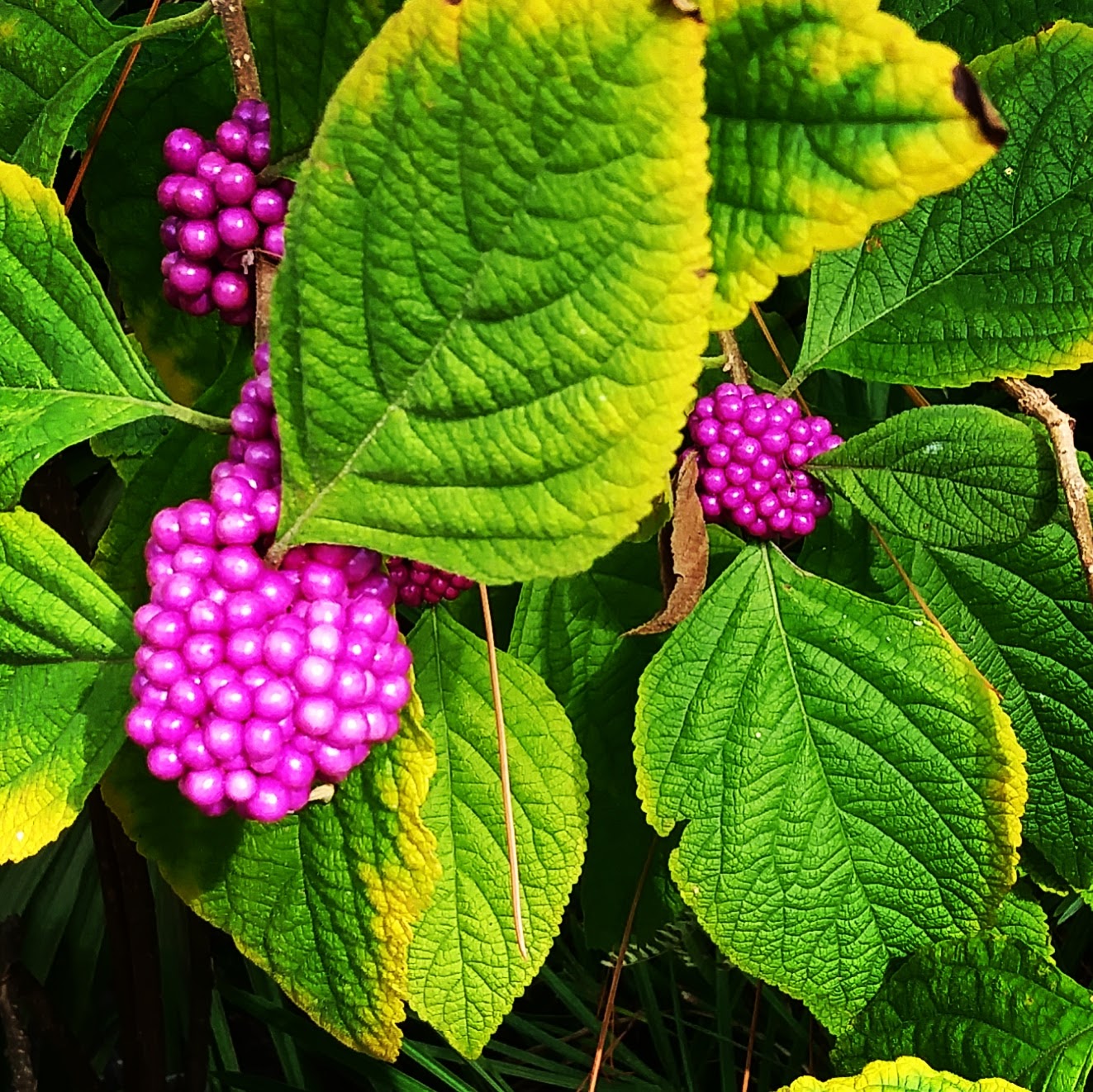
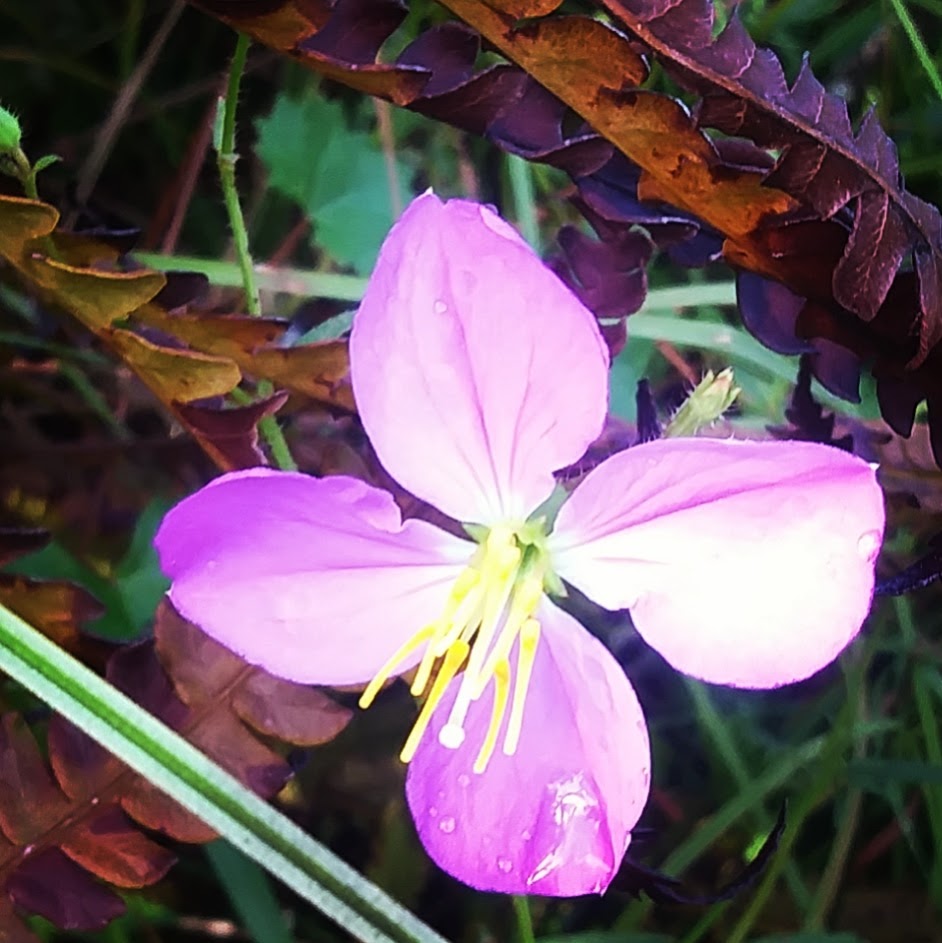
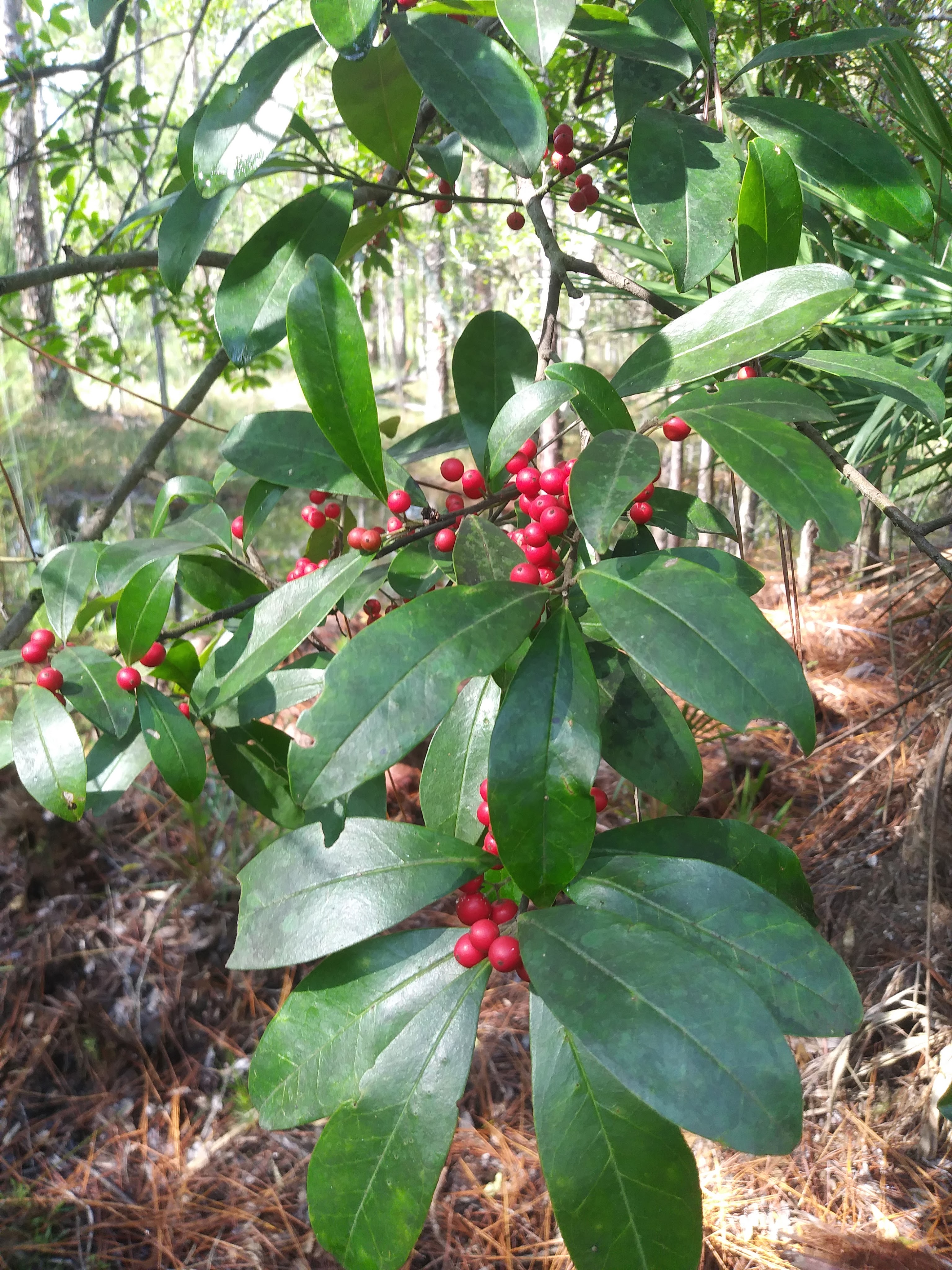
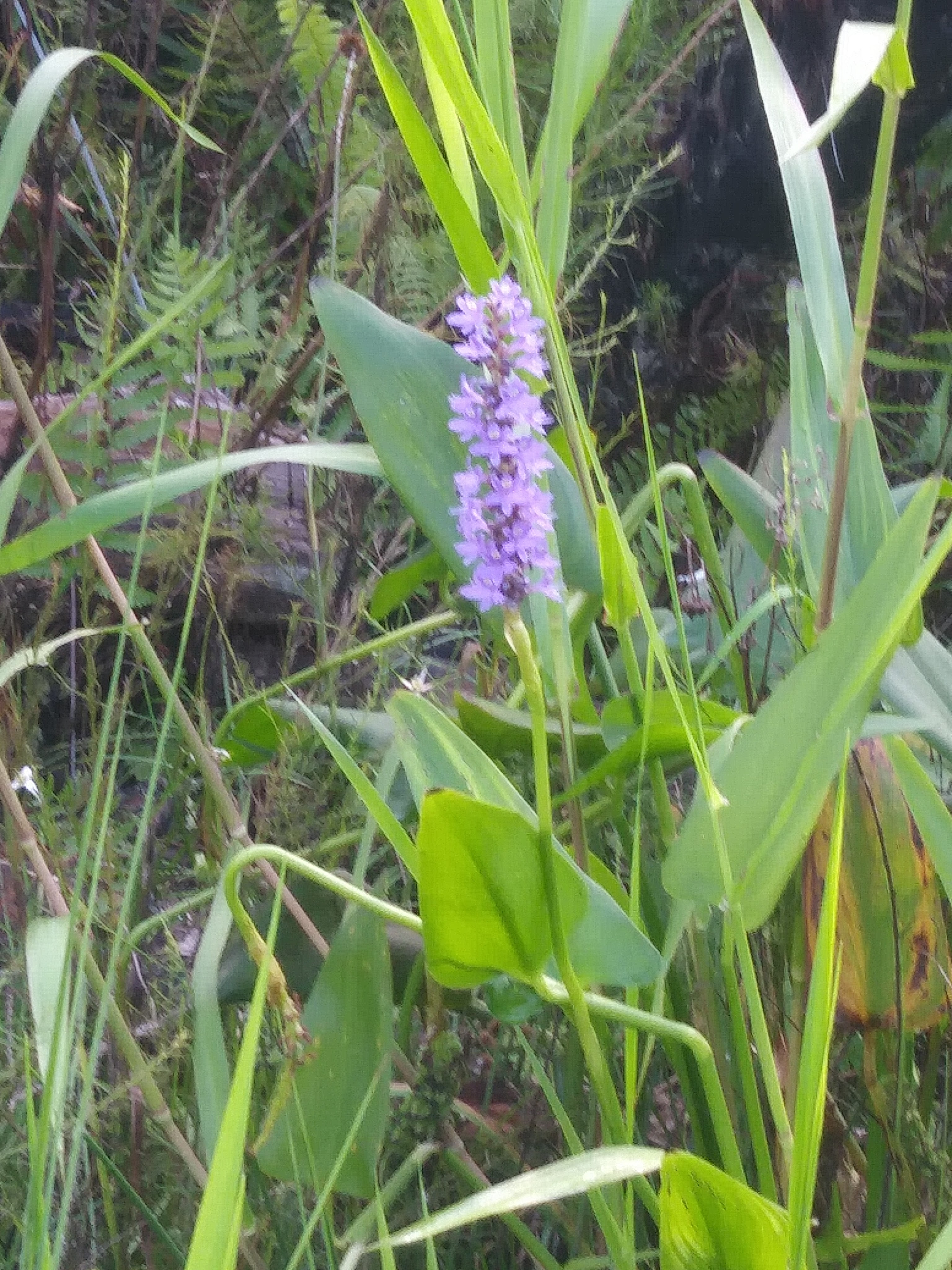
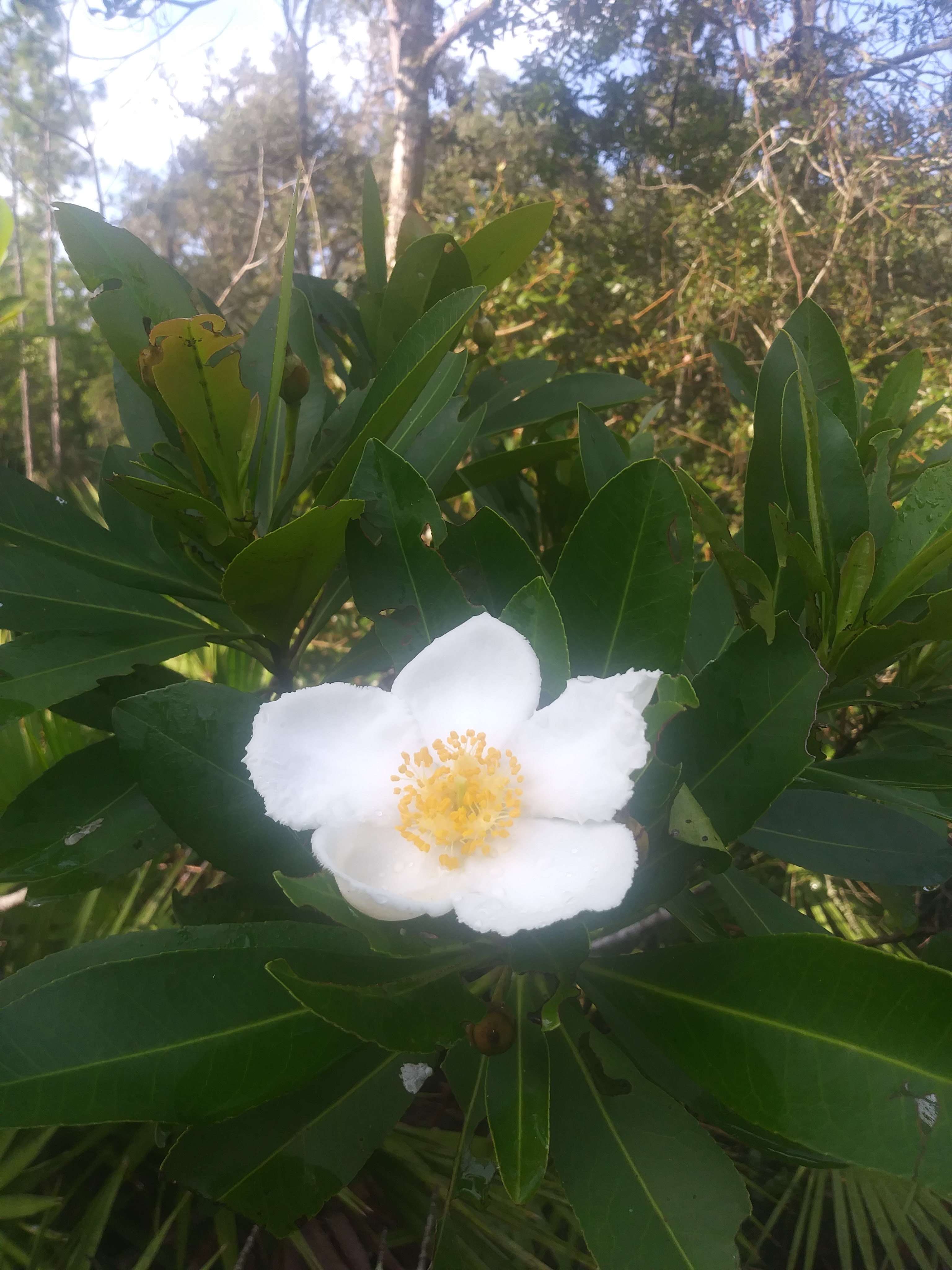
The plants below were photographed and labeled in the original account. These historical captions are not instructions for identification, handling, or eating. The pleasure was in noticing them and leaving them where they grew.

What I carried that day
My recorded clothing included a Smartwool Merino Sport 150 shirt, ExOfficio Sol Cool Cryogen long sleeve shirt, Saxx Quest underwear, Arc’teryx Palisade pants, Smartwool socks, and Oboz Bridger Mid Waterproof boots. I carried Leki trekking poles. My note that I would have preferred my non waterproof Arete shoes reflects that particular walk, not a universal footwear recommendation.
The original pack list included a Sawyer water filter, Nalgene bottle, rain shell, additional socks, picaridin repellent, Tick Key, GlacierGel dressing, NOLS wound kit, Snow Peak titanium cup, and snacks. This is a historical inventory, not a complete checklist for another person or route. Products and their instructions may have changed.
I used permethrin treated clothing and picaridin repellent for exposed skin. Follow each product’s label. CDC specifies that permethrin products must not be applied directly to skin. Neither treatment makes entering water safe.
Check feet and skin during breaks and address rubbing early. No Blister Monday discusses those decisions. For kit preparation, learning resources, and the limits of these articles, start with Wilderness First Aid: A Reading Guide.
A place to revisit, not a test to pass
The value of that morning was in the attention it asked of me. A familiar Florida landscape became something worth looking at again. I would not want the account to suggest that a person who stops at the water has missed the point.
There is no prize for wet socks. There is plenty to learn from a boardwalk, a dry trail, or a conversation with someone who knows the preserve. A place worth visiting is worth leaving for another day when the conditions ask us to.
Planning a visit
Brooker Creek Preserve and Environmental Education Center, 3940 Keystone Road, Tarpon Springs, Florida. Confirm current access, maps, and hours with the preserve. The map below marks the location, not a route through wet areas.
Documentation
Primary sources checked October 21, 2026: Pinellas County preserve information; preserve boardwalk and trail guidance; NWS flood safety; FWC alligator guidance; CDC permethrin guidance.
Jeffrey John Fabiszewski
FloridaOATS


Leave a Reply