
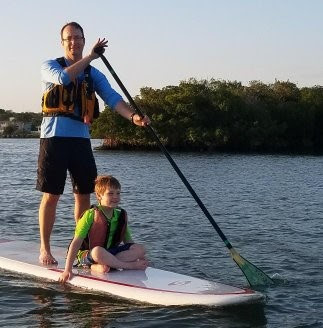
A stand up paddleboard is like a flying carpet on the water. Add a child, and the passenger may have firm opinions about where the carpet should go.
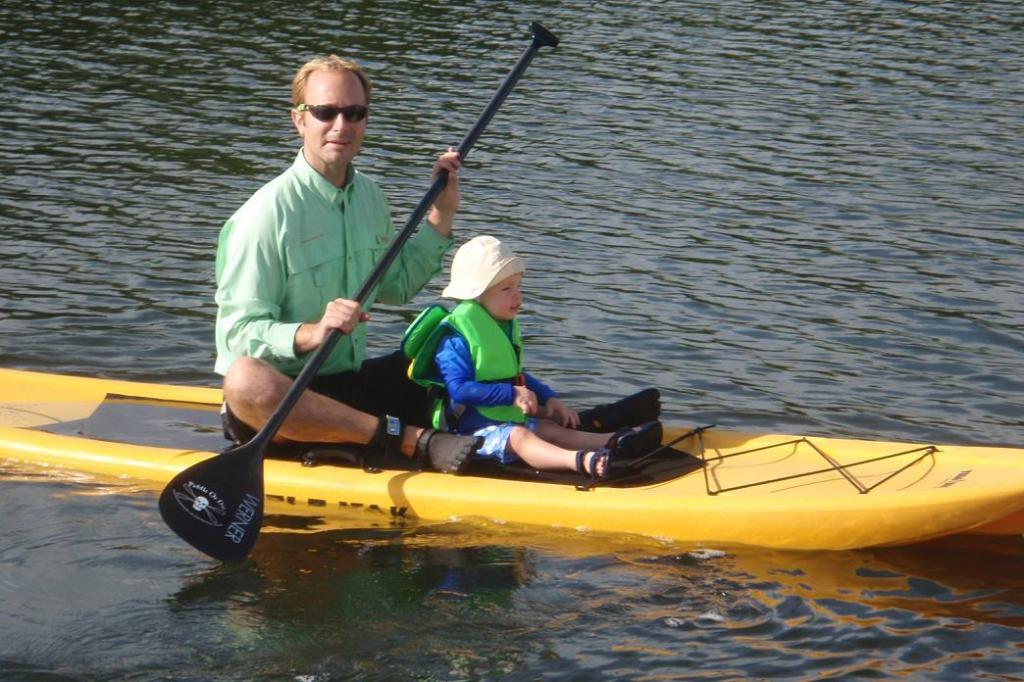
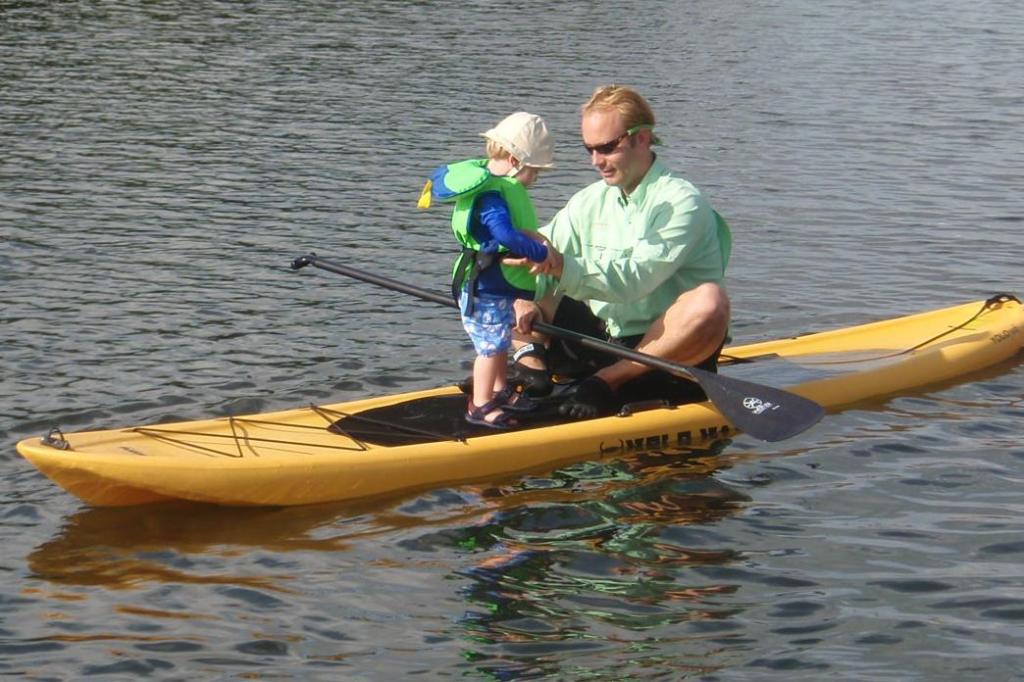
On a Sunday in August 2010, Sean Fitzgibbon and I took our children on their first stand up paddleboard adventure. We were out for about 45 minutes. In my original account, I left most of the storytelling to the photographs.
Looking at them now, I find a different answer to the question, “Why SUP?” The board gave us a way to share something we loved while making room for the children to discover it on their own terms.
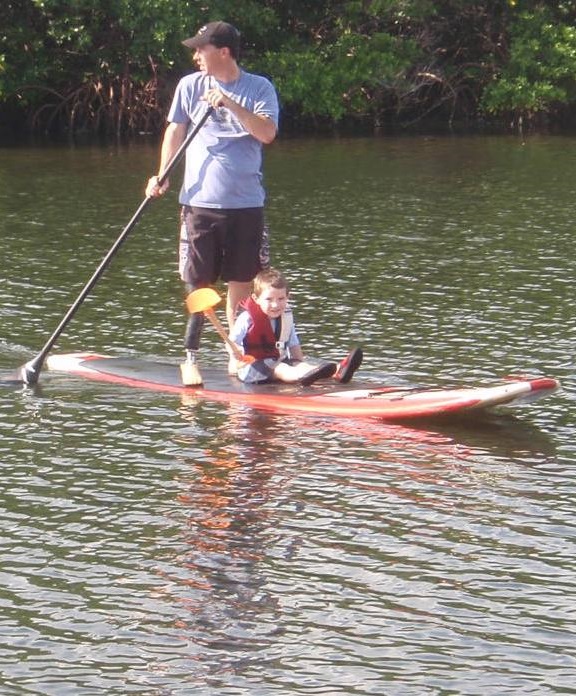
Forty five minutes was enough
An expedition gives you plenty to count. Miles traveled. Days away. Food remaining. A family afternoon asks for another measure. Was there room to be curious? Was the child comfortable? Did the outing leave an invitation to return?
Our little trip had no claim to endurance. That was part of its value. Sean and I could bring our experience to the water without asking the children to share an adult’s appetite for distance. Being capable of going farther does not oblige a father to do so.
The photographs preserve the children’s concerns: looking for manatees, wanting Daddy to paddle faster, a shovel, and a blue lunch box. Those details have outlasted anything I might have written about stroke technique.
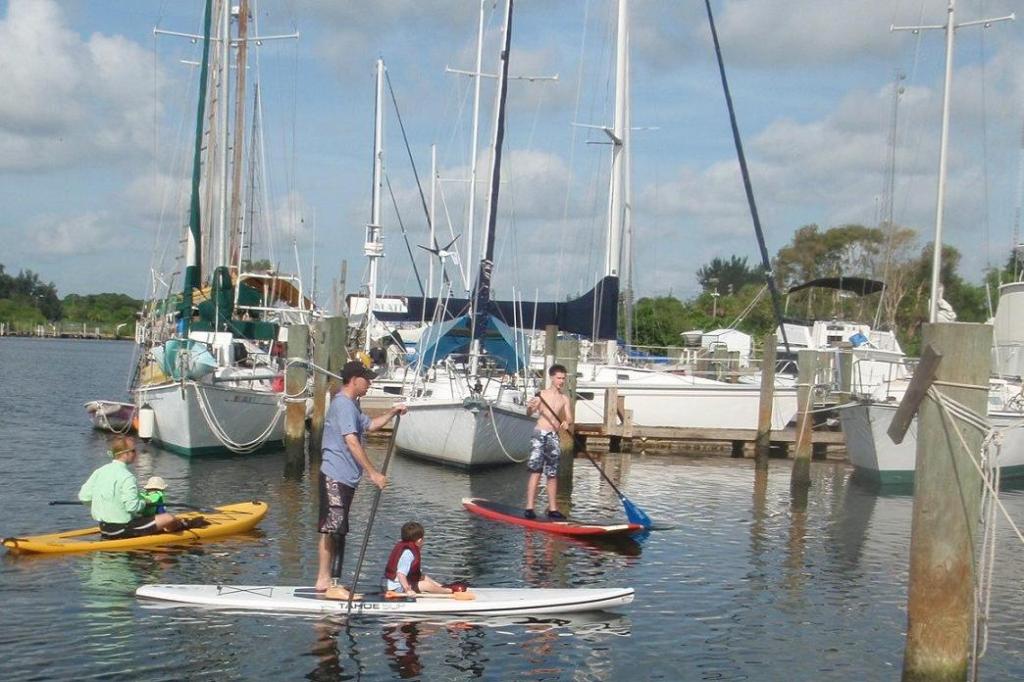
A child has a place in the story
Adults often introduce children to an activity with a plan already settled. We know what counts as progress, what deserves attention, and when it is time to leave. There are good reasons to make those decisions, particularly on the water. But an outing can become so thoroughly ours that the child has little part in it beyond coming along.
A request to use a shovel as a paddle interrupts that orderly arrangement. It is also a reminder that a child is thinking about the experience, rather than merely receiving it. The adult still carries the responsibility. The child deserves a voice.
That distinction matters to me as a father and an educator. I want to share the outdoors without making affection for it another assignment. A question, a pause, or a small choice can give someone a place in the day.
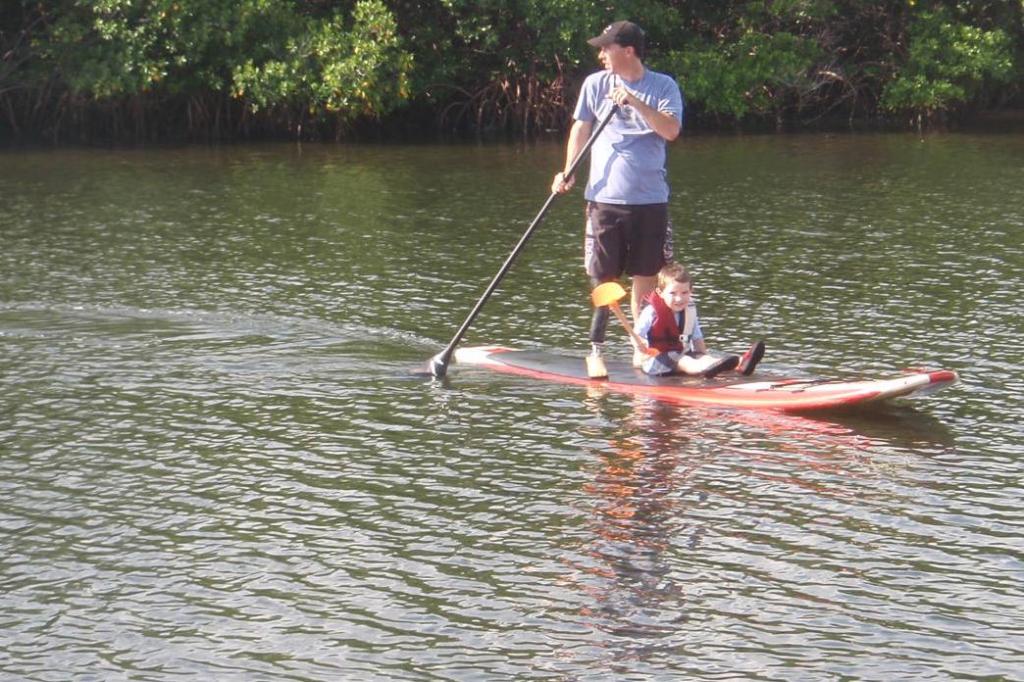
The care beneath the easy afternoon
A short outing can look effortless in a photograph. The responsibility remains with the adults. Children trust us to recognize what they cannot yet judge, and to change the plan when their comfort or the conditions require it.
These are family photographs from 2010, not a demonstration of current equipment or a complete safety lesson. For a new outing, everyone should wear a properly fitted life jacket. Seek instruction suited to the participants and water conditions, and make a plan for a fall or separation before launching. The American Canoe Association’s Kids Go Paddling safety guide is a useful starting point.
I think of that preparation as part of hospitality. When someone trusts you enough to come along, you owe that person more than your enthusiasm. You owe attention, suitable preparation, and a willingness to turn back.
Remember the lunch
At the end of the original post, I wrote that next time we would get our wives out on the water and bring lunches for the children. I would leave that sentence in even if every photograph disappeared. It tells me what the next outing needed: more of the family, and something to eat.
Food belongs in these plans for the same reason it belongs around a campfire. We are caring for people. A packed lunch makes room to stay together awhile, without asking everyone to ignore an empty stomach in the name of adventure.
There is no elaborate menu recorded from that afternoon, and no need to invent one. The promise to bring lunch next time says enough.
Why SUP?
Because on that Sunday, a board was a way for fathers and children to be on the water together. Another family might find the same pleasure in a canoe, a fishing pier, or a walk along the shore. The equipment opens a possibility. What we do with the time gives it meaning.
This is one way an outdoor tradition passes from one generation to another. Someone makes room. Someone takes responsibility. A child is allowed to bring a little curiosity and a few inconvenient priorities.
Forty five minutes, a shovel, and the prospect of lunch. There are worse foundations for a life outdoors.
Jeffrey John Fabiszewski
The original outing: Taking Kids Out on a SUP, published on Liquid Rhythm Kayaking on August 15, 2010, preserves the short contemporary account and six photograph gallery.


Leave a Reply