
TRUST · PREPAREDNESS · ISLANDING
Prepared at Home.
Stronger Together.
What do we depend on, and who can depend on us?

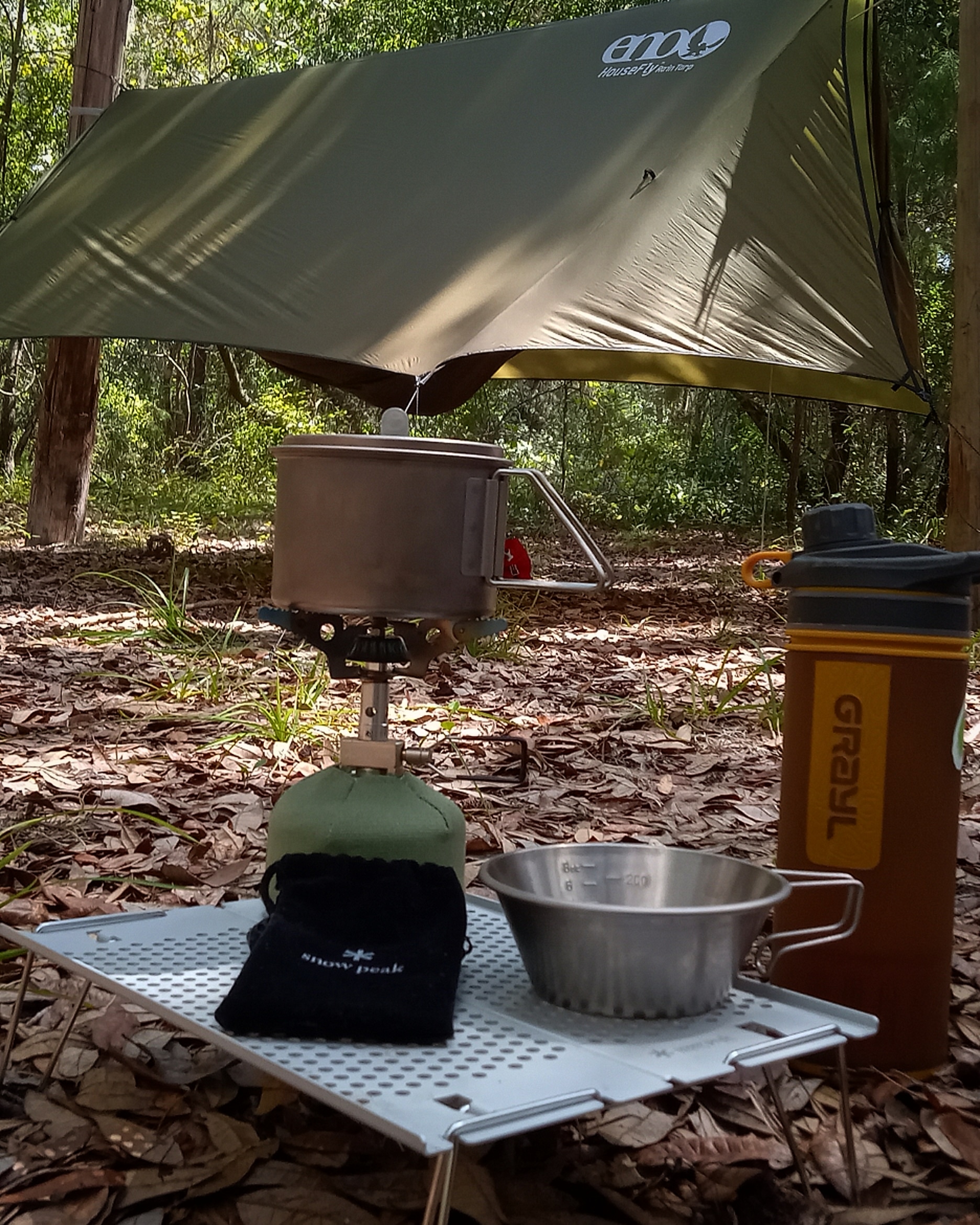
My camp kitchen at Myakka. Water, shelter, and a meal begin with practical preparation.
An island needs a harbor.
In a power grid, islanding allows a separated section to operate with its own generation. For a household, the useful question is what can keep working when outside support stops.
Questions worth asking before the lights go out.
Essential needs
What can our household truly not do without?
Name the needs first: water, food, shelter, tolerable temperature, sanitation, medicine, communication, and care. Who needs help with meals, mobility, or transport?
Backup plans
Do our alternatives depend on the same thing?
Check whether your backups share an outlet, fuel supply, or person. How long can each method last? Test it while there is still time to make changes.
Trust
Who would notice if we needed help?
Know your neighbors by name. Agree who will check on whom and how to make contact if phones fail. Ask what help they would welcome.
Service
What help can we reliably offer?
Name a meal, ride, check in, or skill somebody can count on. What can you share without leaving your household short? Stay within your training and ability.
Shared responsibility
Who takes over if the usual helper cannot?
Make sure another person knows the plan, can prepare the meals, and can reach those who depend on you. The usual helper may need help too.
Knowing our limits
When must we leave or seek outside help?
Agree on reasons to leave, a destination, and transportation. Plan for the destination to be affected too. Know which needs require trained responders or outside services.
Read. Think. Put it into practice.
Start here: Read Florida Hurricane Preparedness for the household plan. Then choose the guide that addresses your weakest preparation.

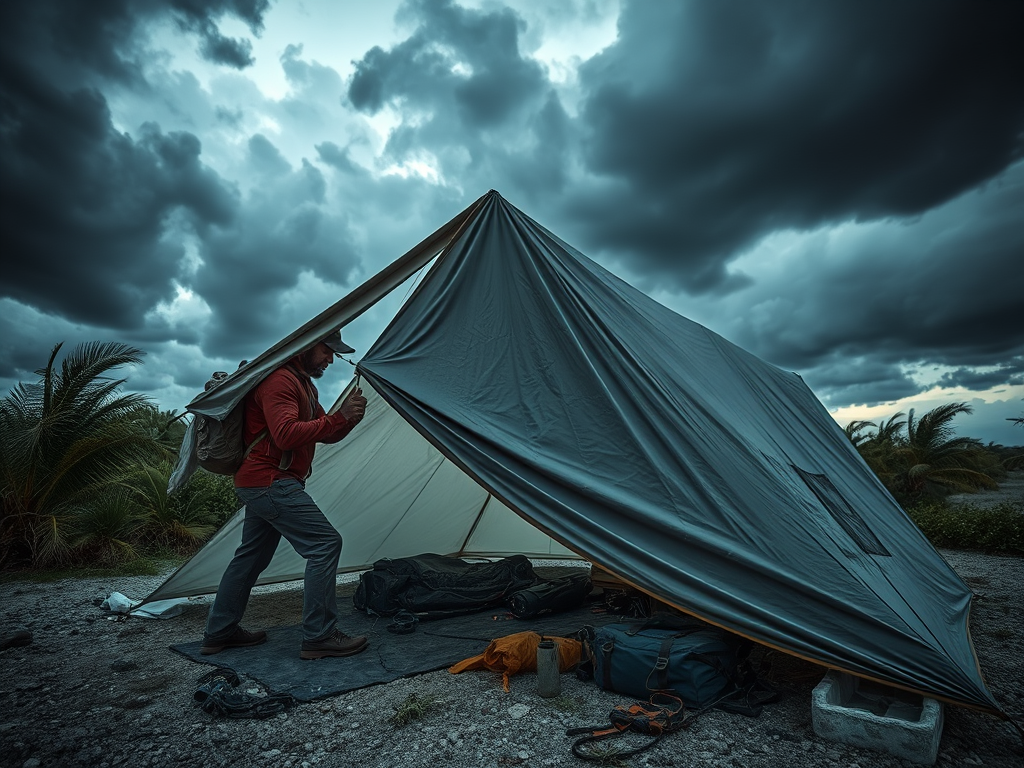
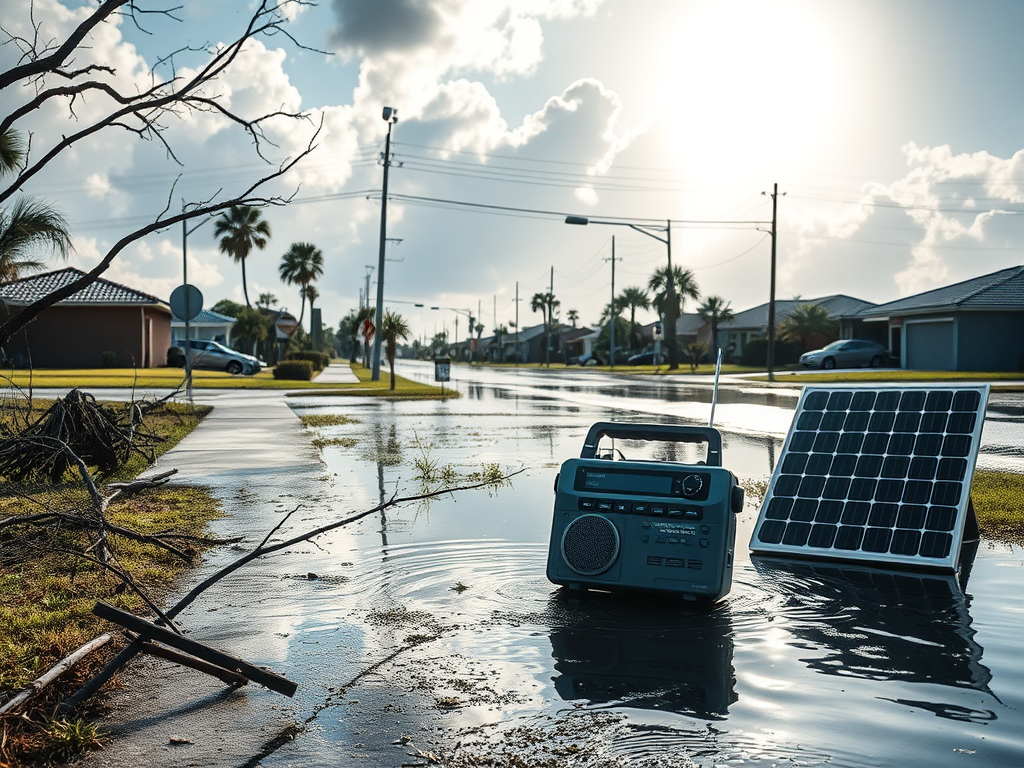


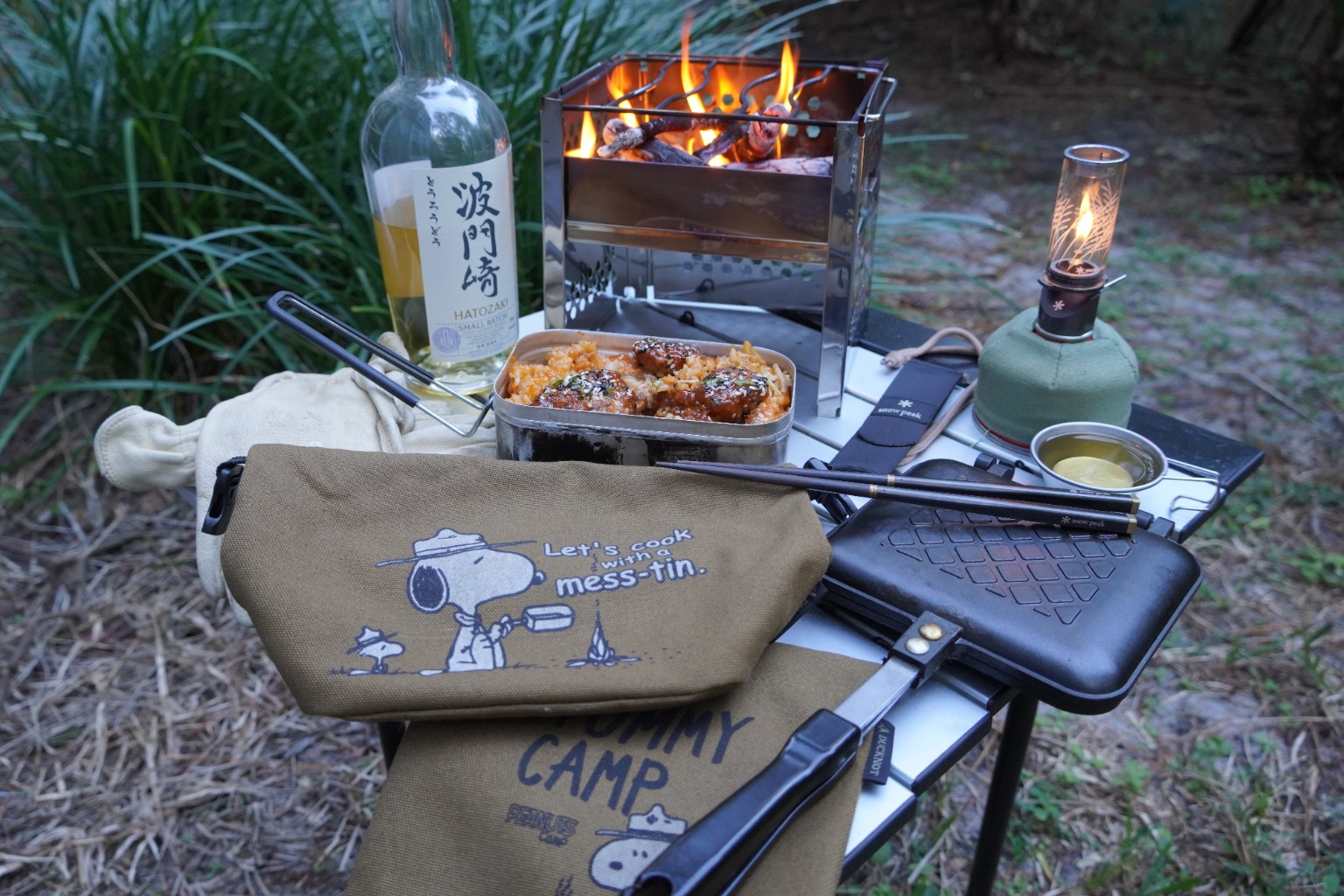

For the tools behind the practice, explore my camp kitchen, shelter, and water equipment guide. Start with the equipment you already own, then test whether it meets your household’s needs.

There is room for one more.
Know your neighbors. Learn their needs. Be honest about what you can offer.
Choose one essential need whose backup is uncertain. Test the alternative. Then speak with a neighbor about a specific way you can check on one another.
Write down: One task. Who will do it. When it will be finished. Who you will contact. When you will review the plan.
Share personal needs with agreement, and only the details needed to help.

